


The Vibe :
⊹ Max Mara enters couture week without pretending to be a gown house
⊹ Concrete gray coats cut with the precision of modern buildings
⊹ Patterns, toiles and basting stitches become part of the presentation
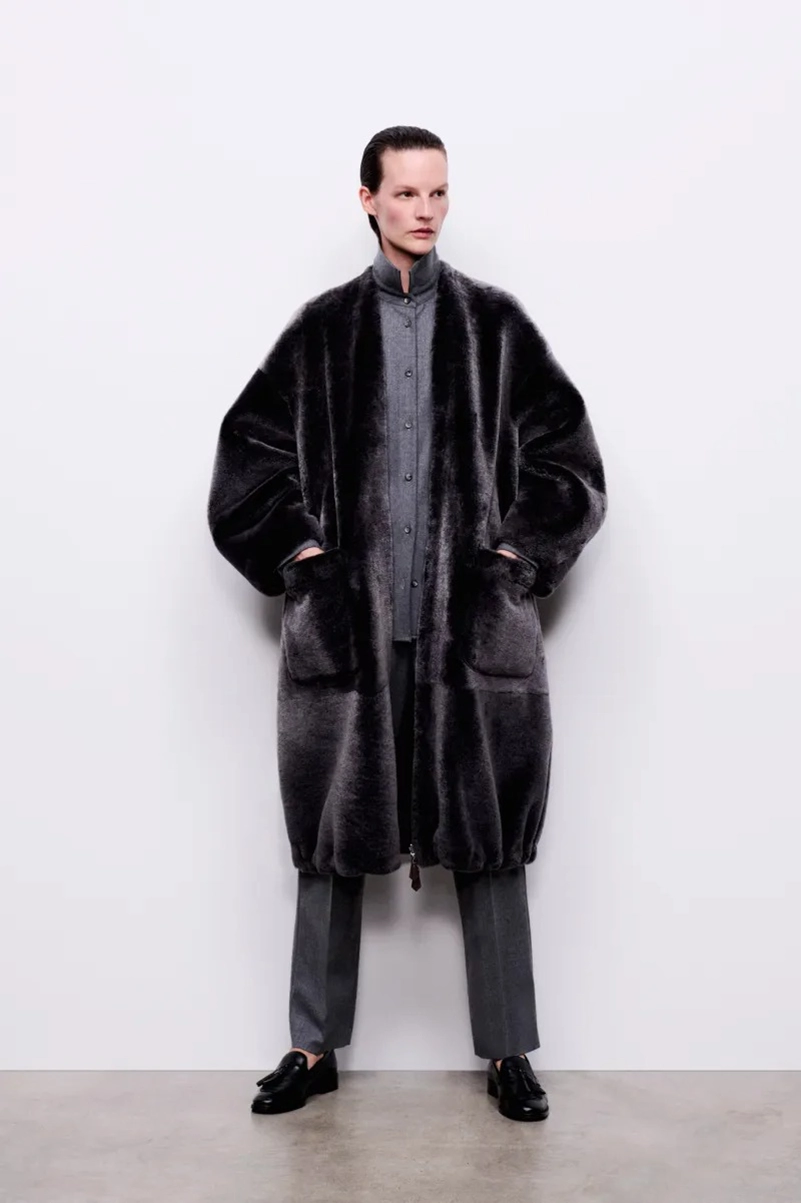
⊹ An archival kimono brings new volume to the house’s signature shape
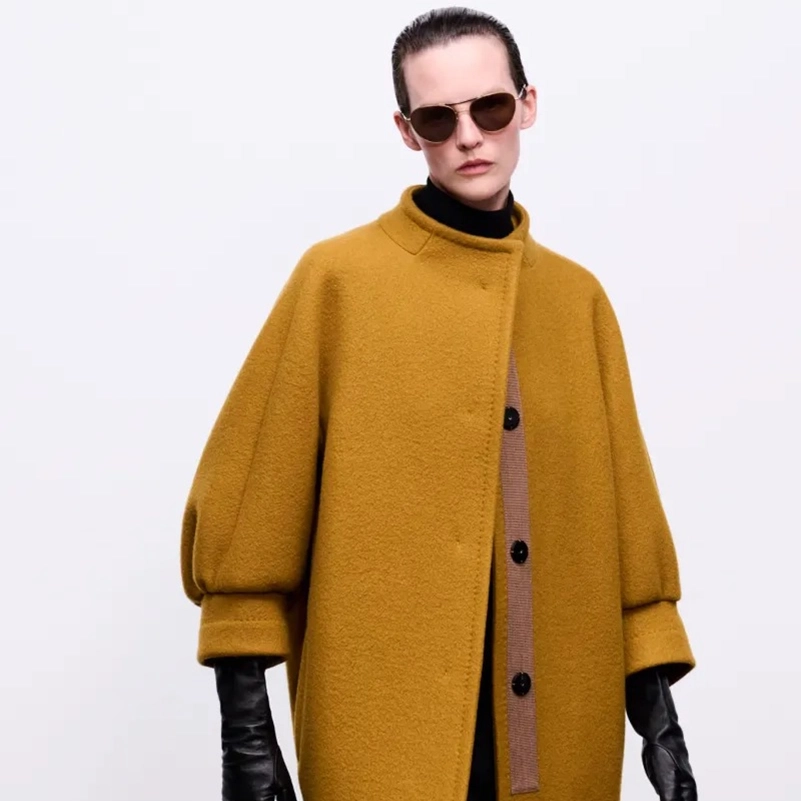
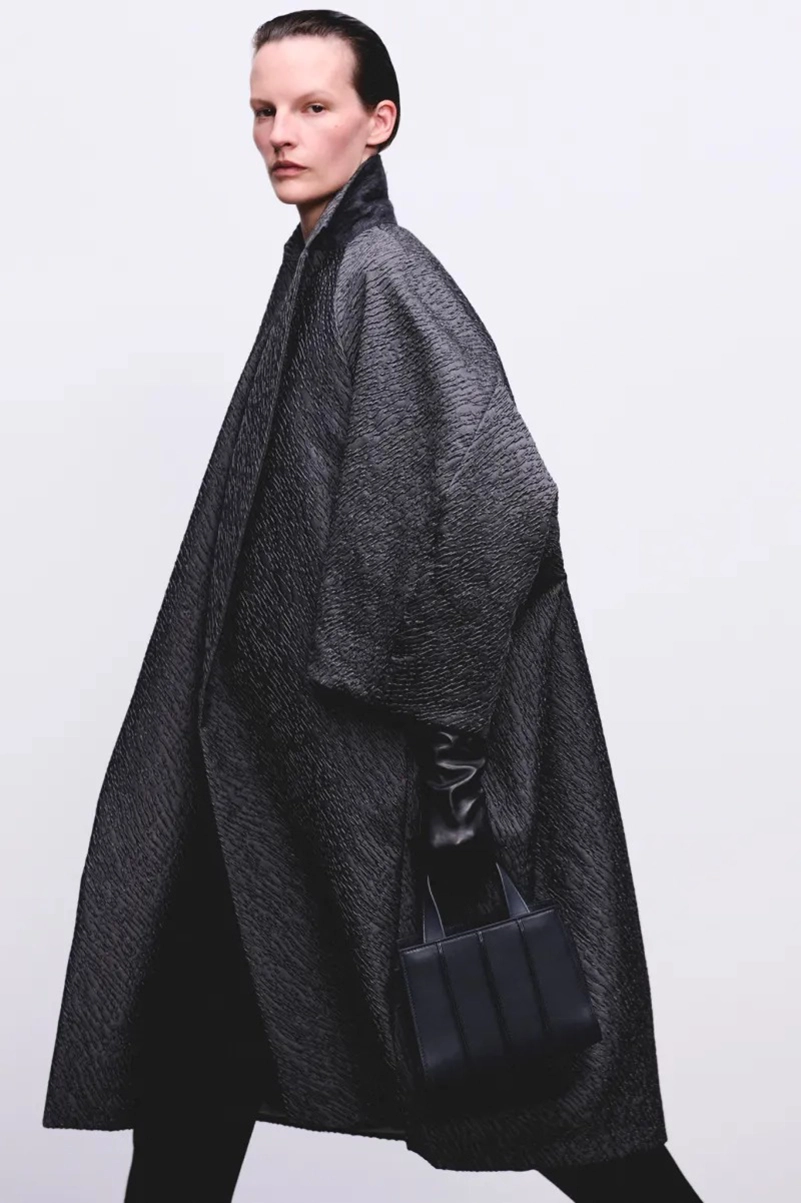
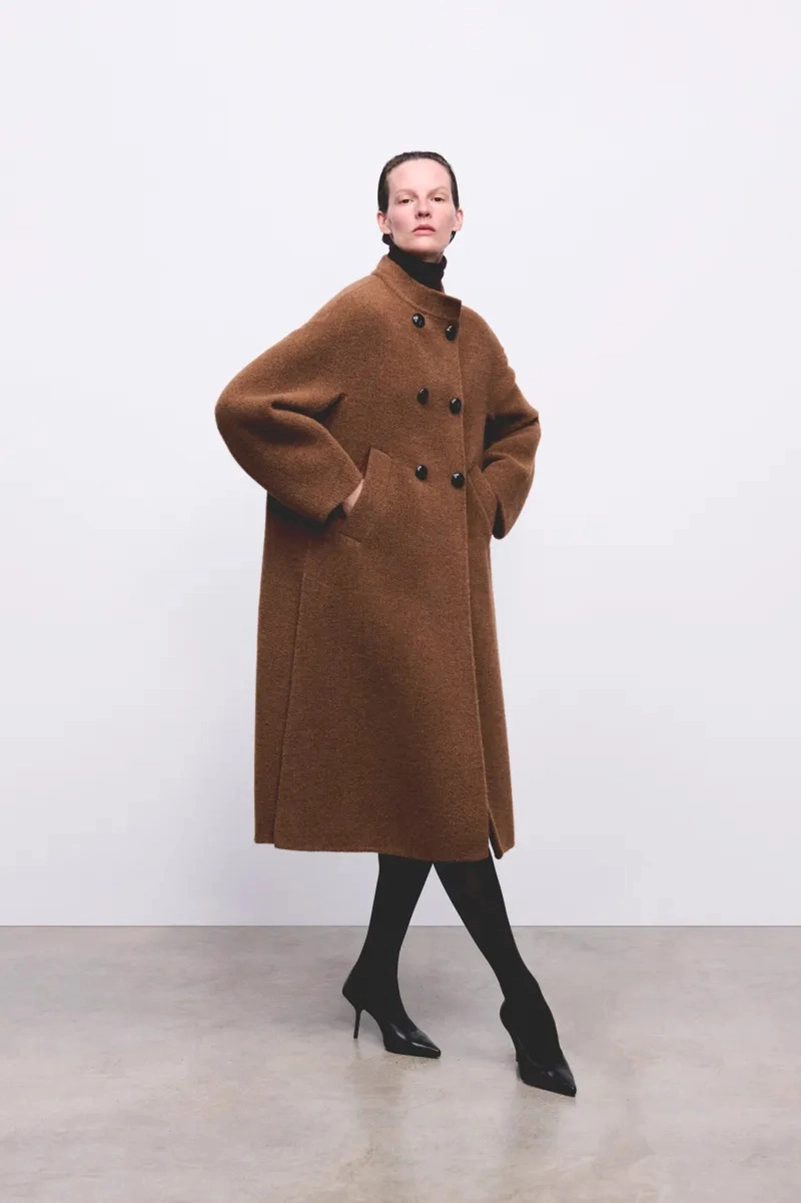
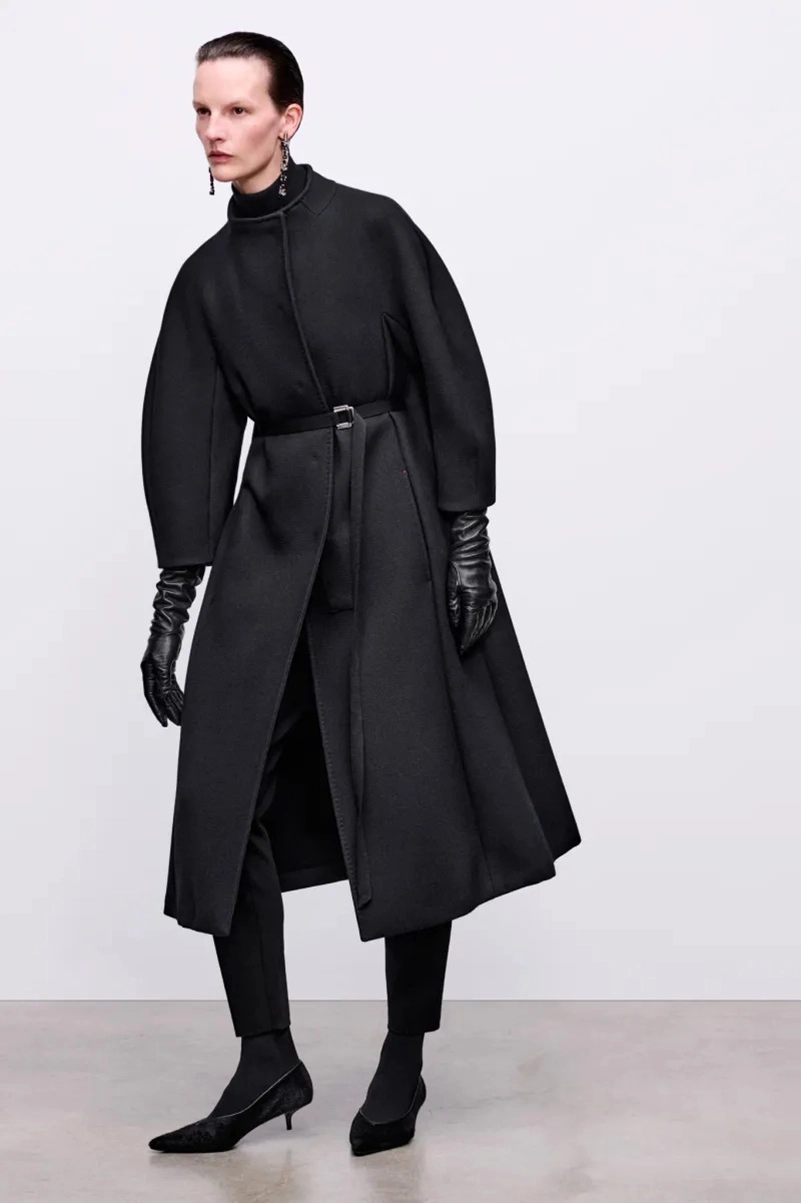
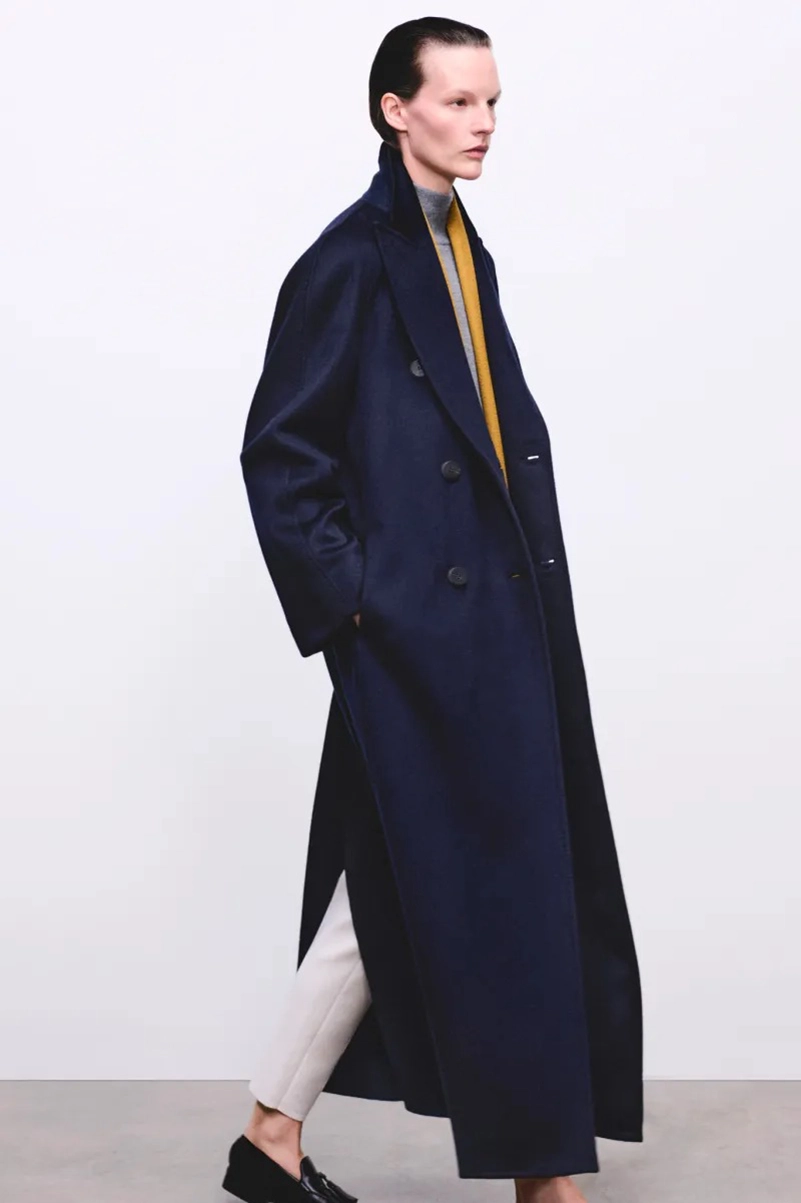
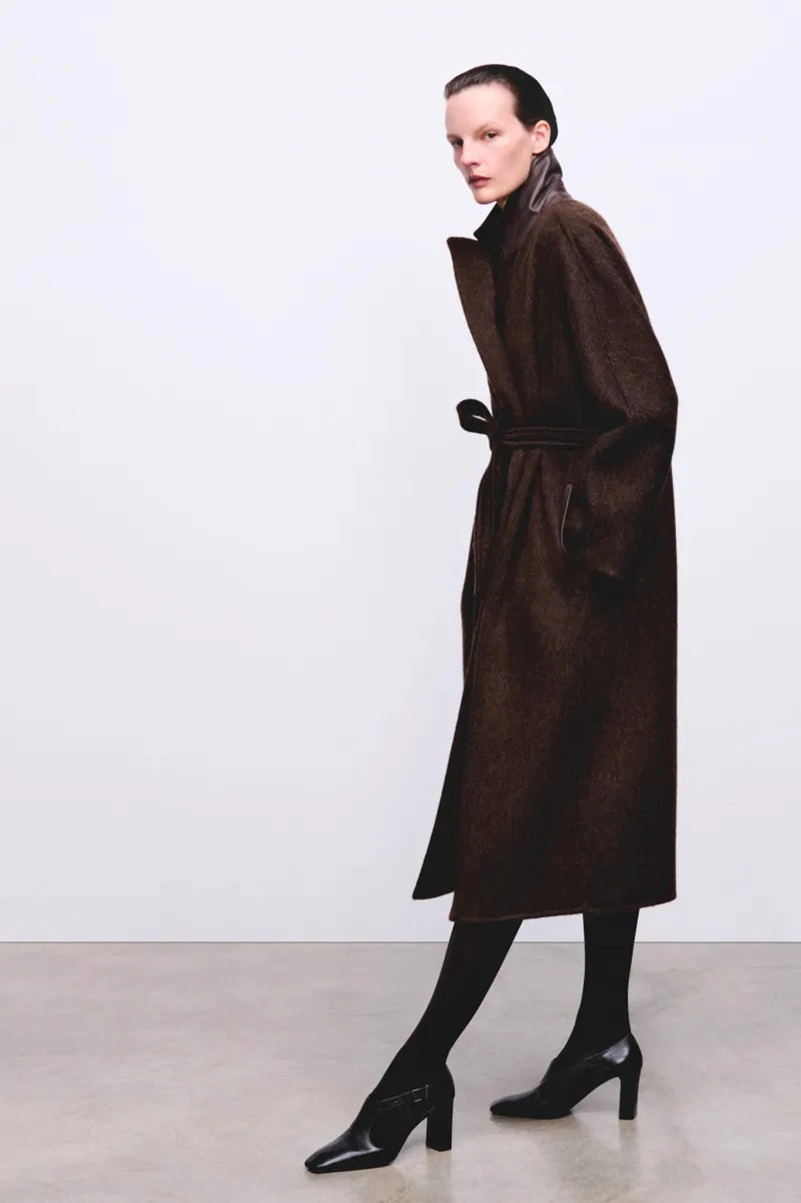
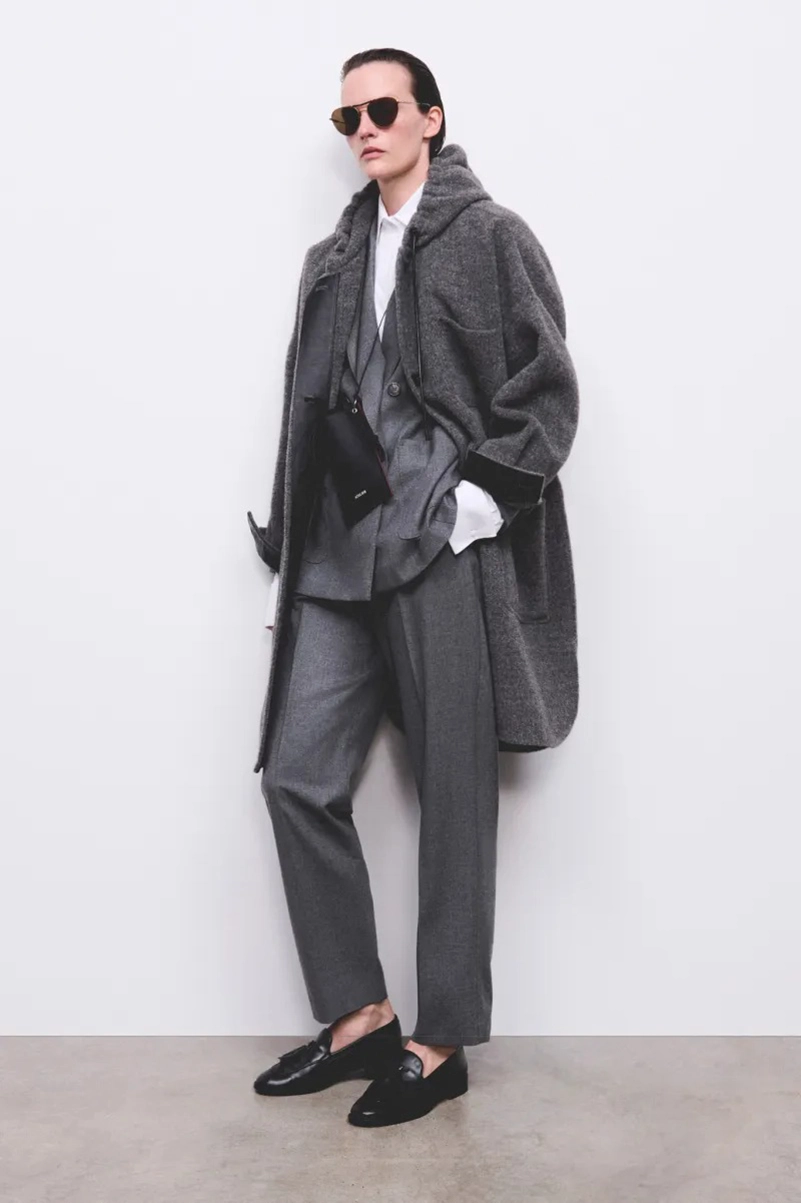
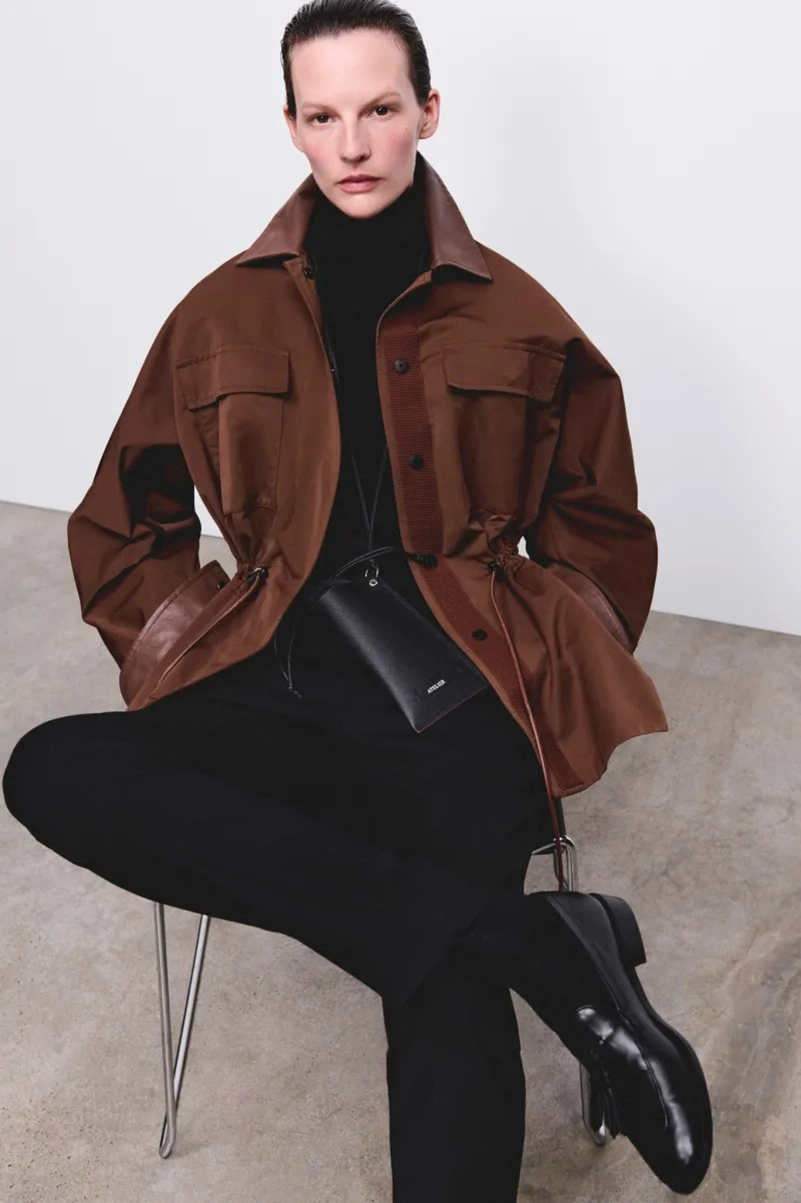
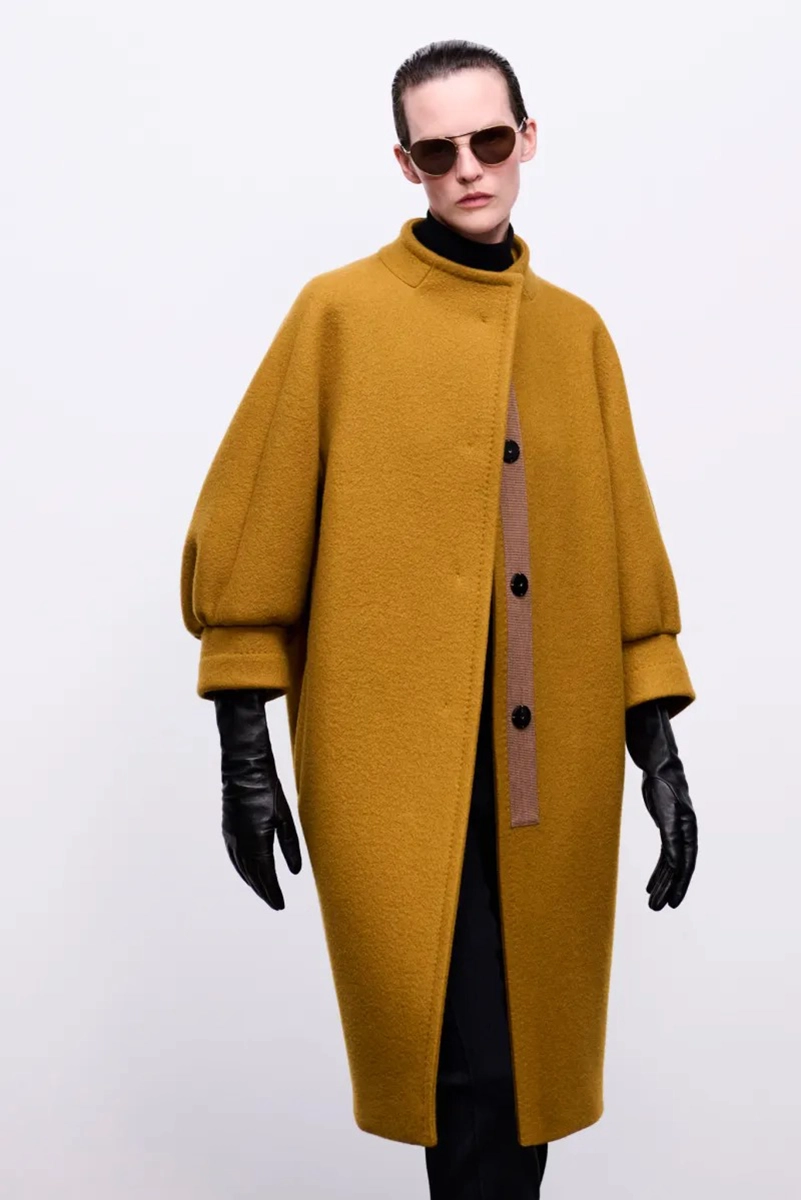
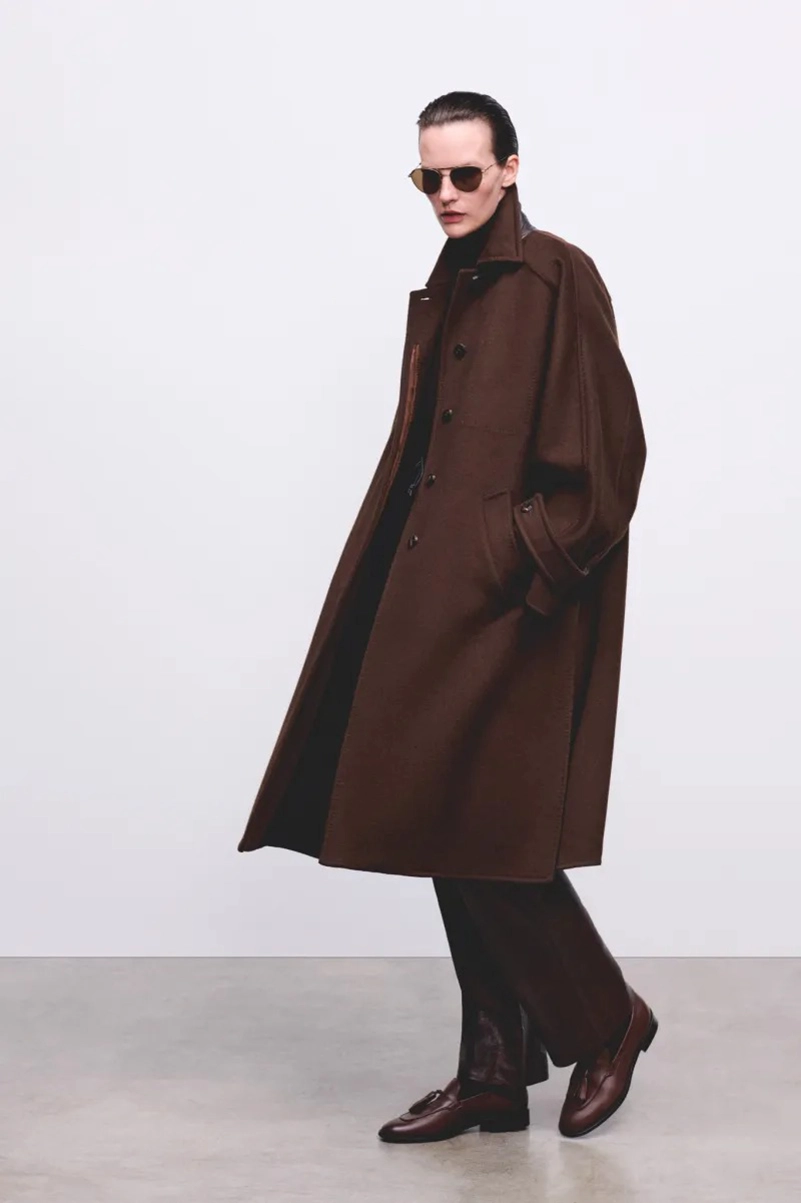
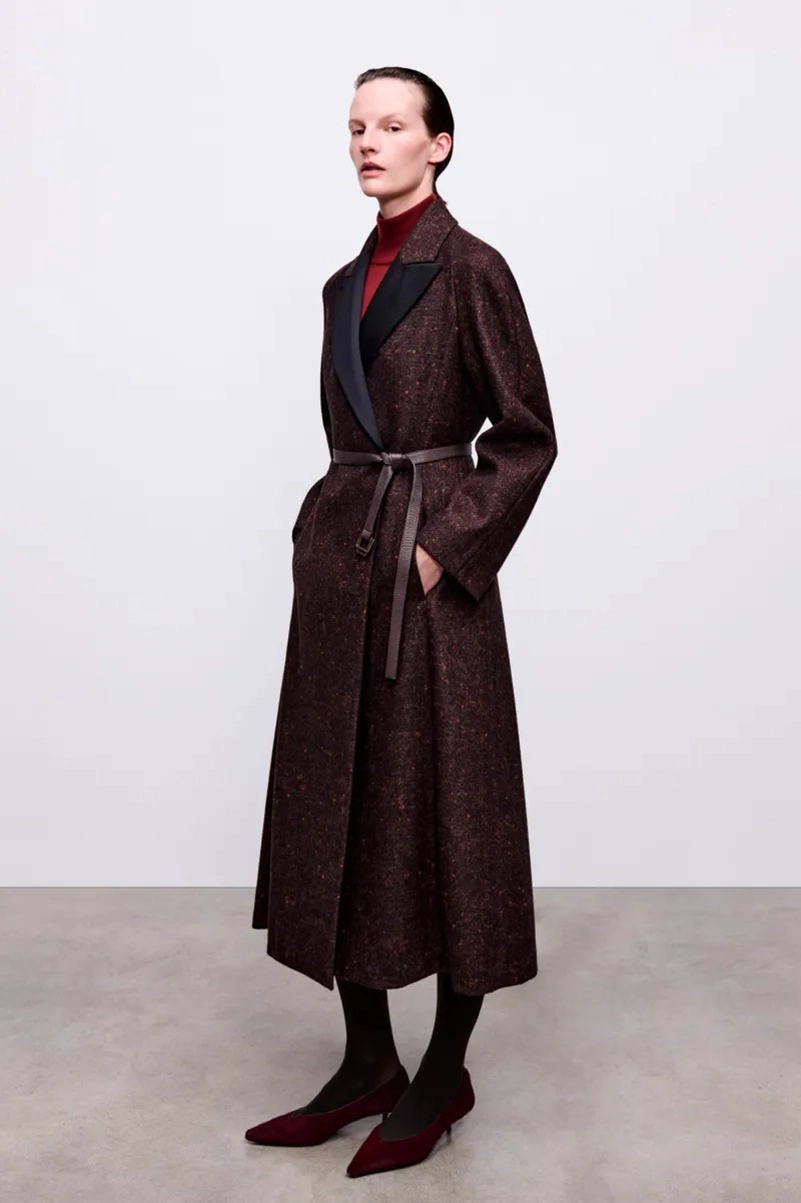
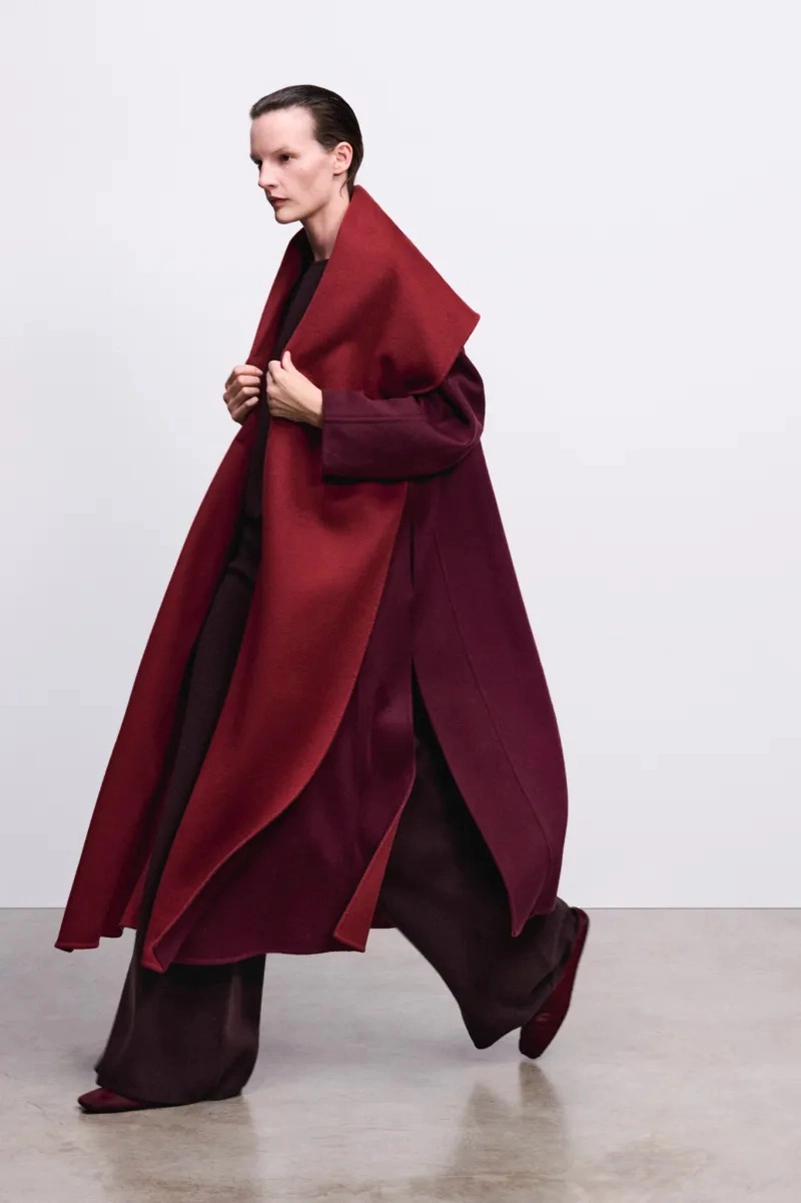
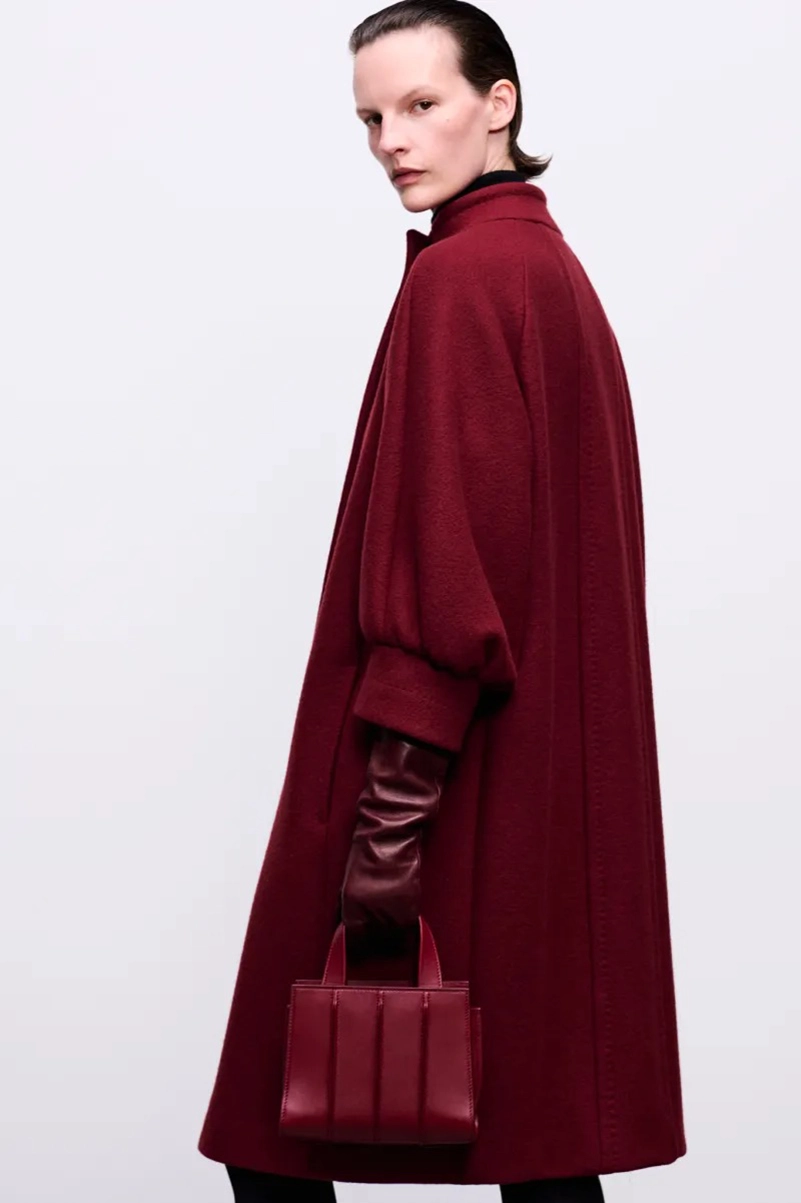
Max Mara didn’t come to Paris Couture Week to suddenly become a gown brand. For its first Atelier presentation in the French capital, the house stayed loyal to the garment it has spent decades perfecting: the coat. Shown inside the newly renovated Avenue Montaigne flagship, the Fall 2026 collection turned redingotes, capes, oversized overcoats and kimono-shaped layers into a pretty convincing argument that outerwear deserves top billing.
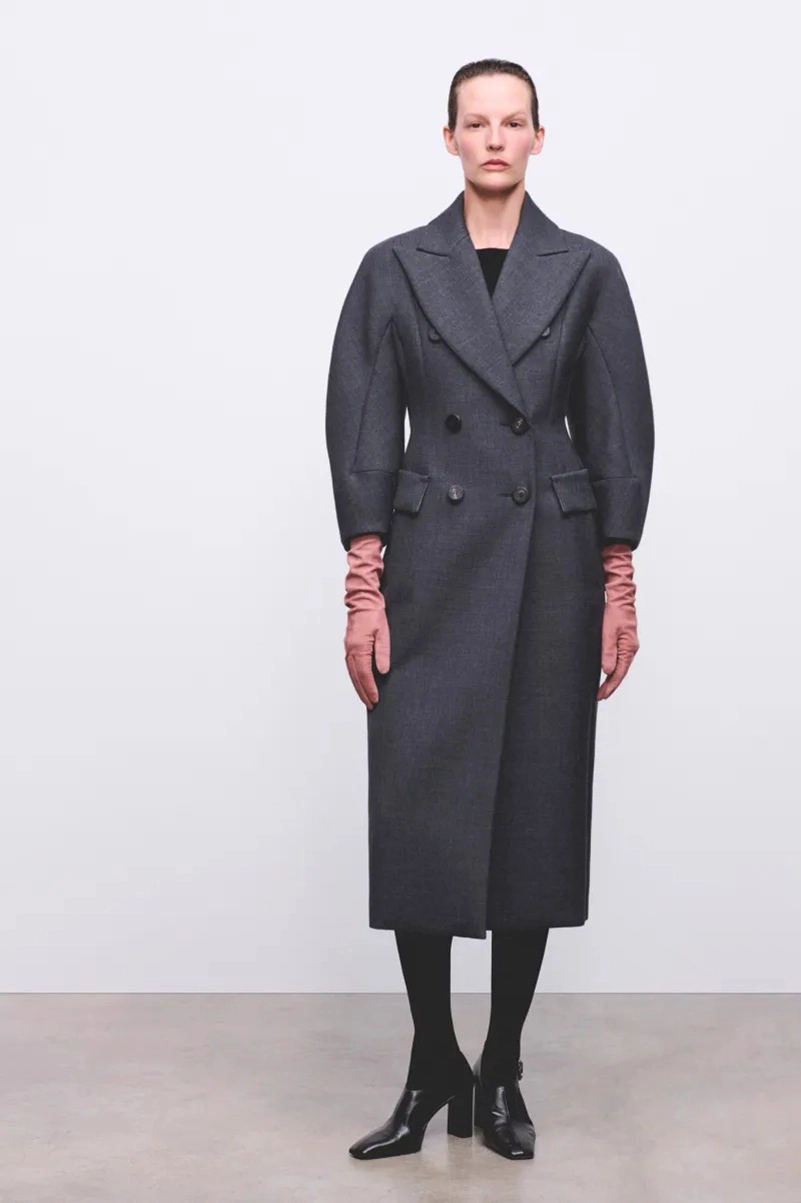
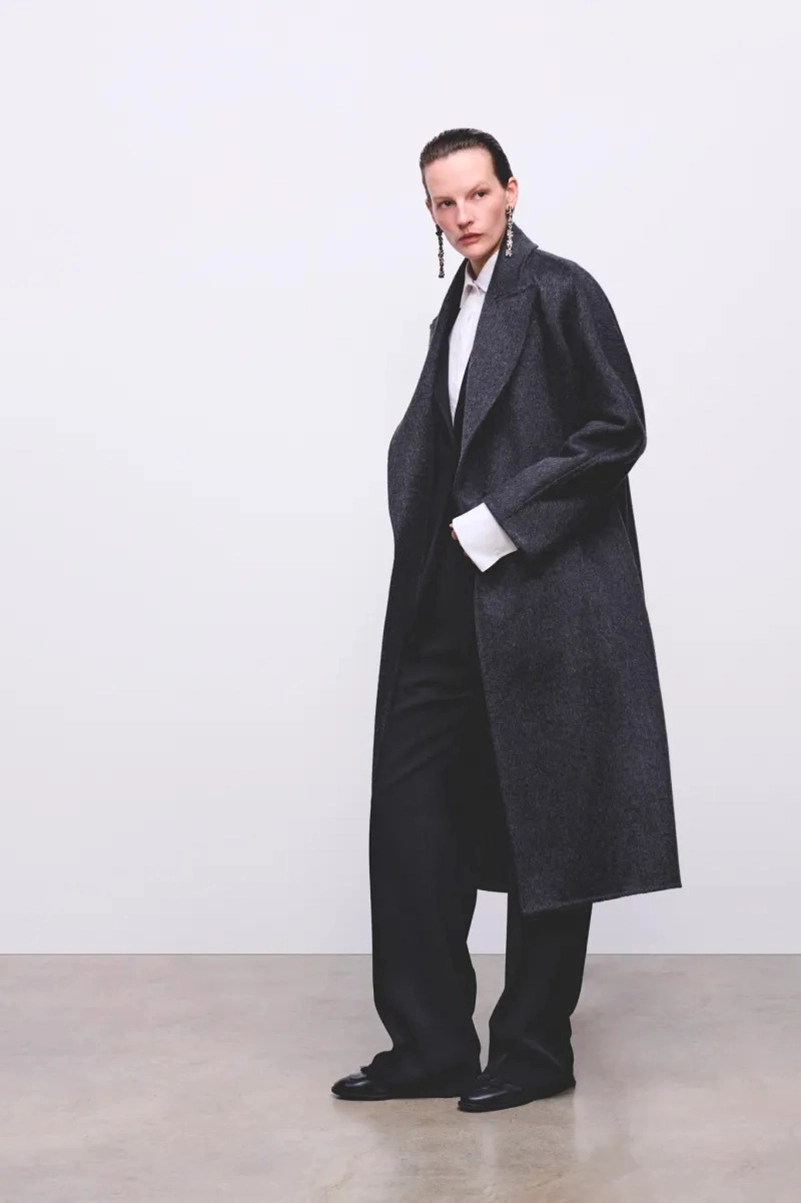
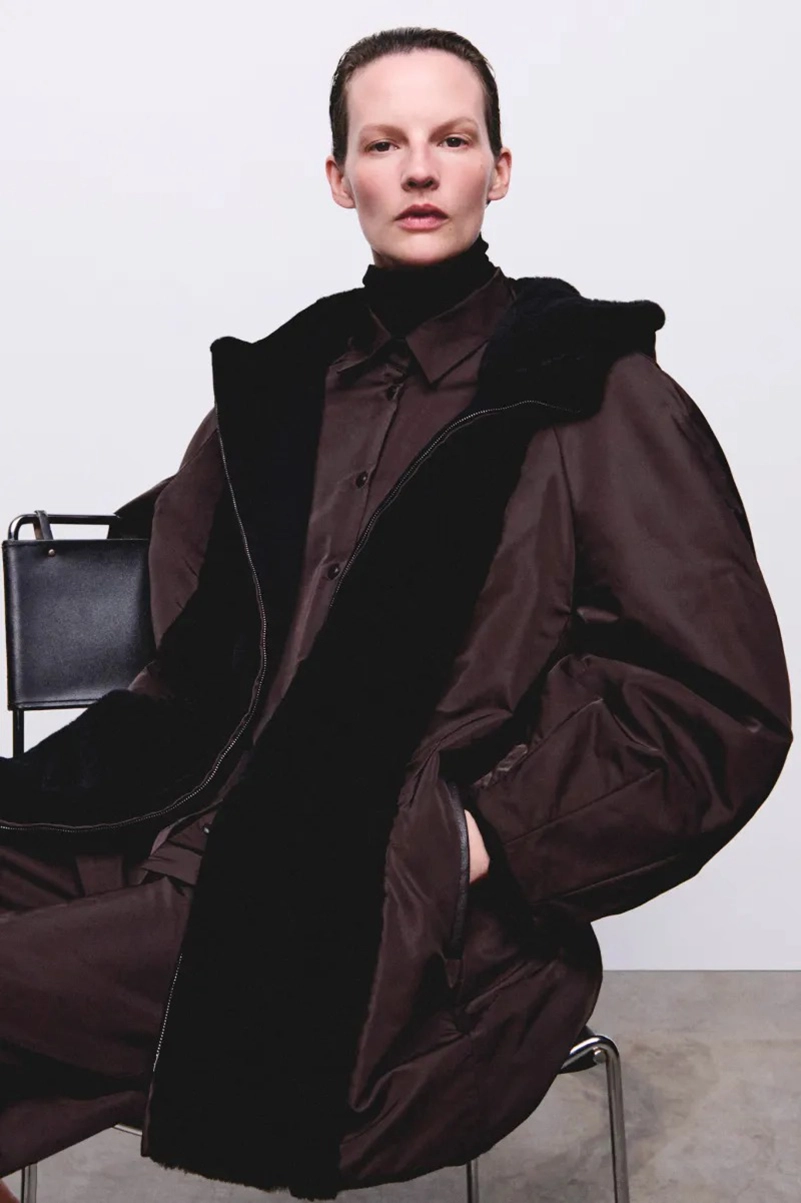
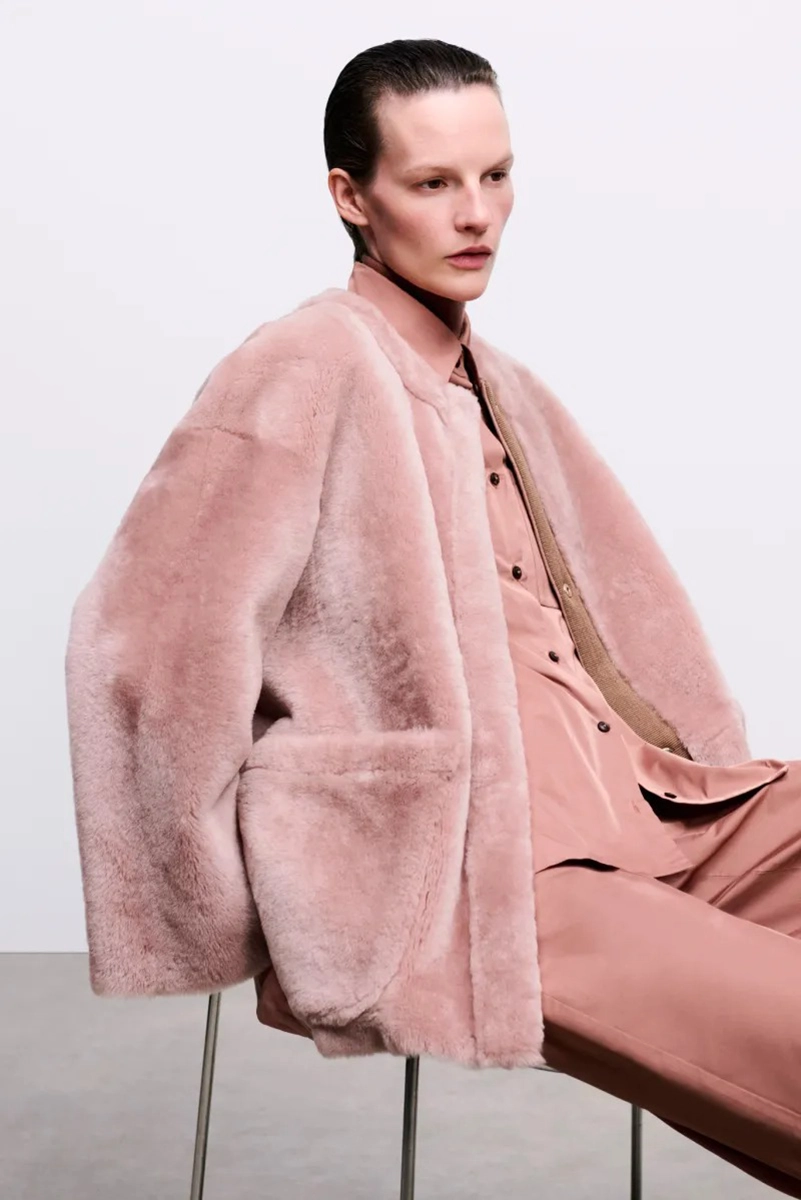
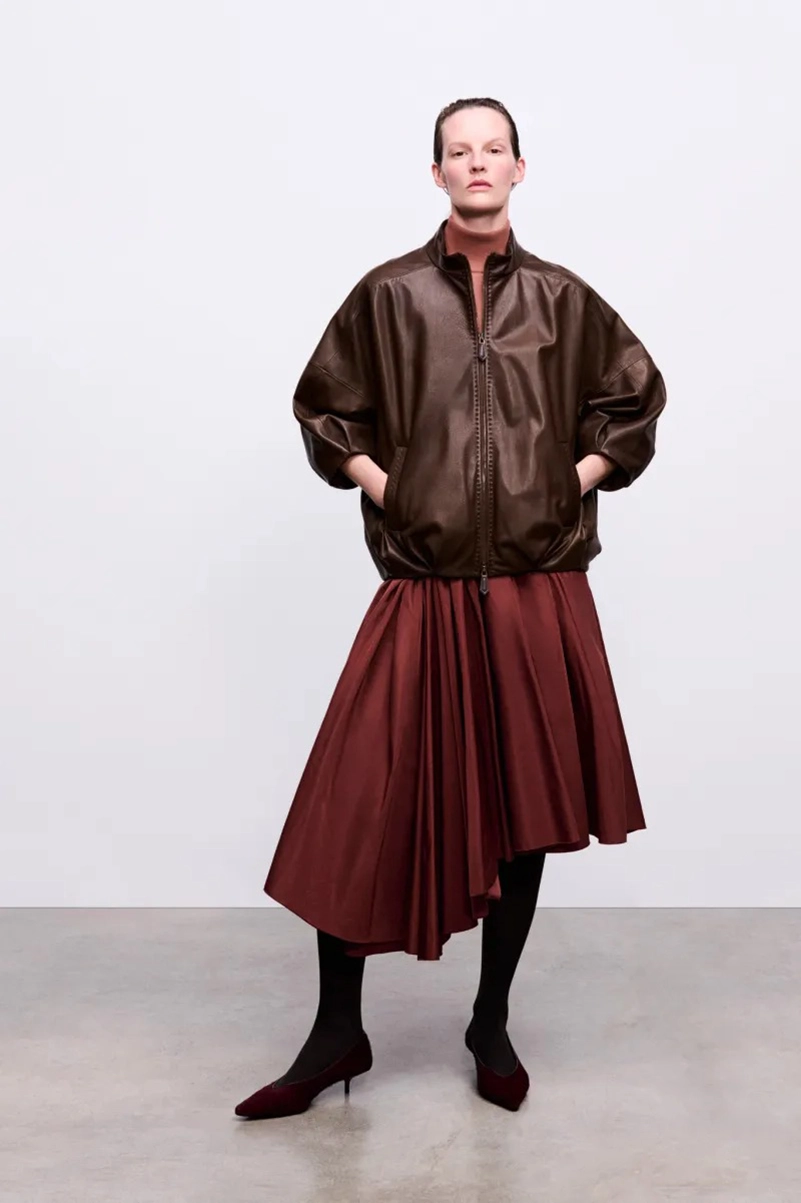
The season was titled “The Architecture of a Coat,” and the reference was more literal than fashion metaphors usually are. Max Mara looked back to the Brutalist, Bauhaus-influenced factory it built in Reggio Emilia in 1959, translating its concrete surfaces and crisp geometry into sharp shoulders, controlled volume and an opening run of gray. Rosewood, burgundy, navy and deep brown arrived later, but the focus never drifted far from the cut. Across Max Mara, color tends to know when to step aside and let the silhouette speak.
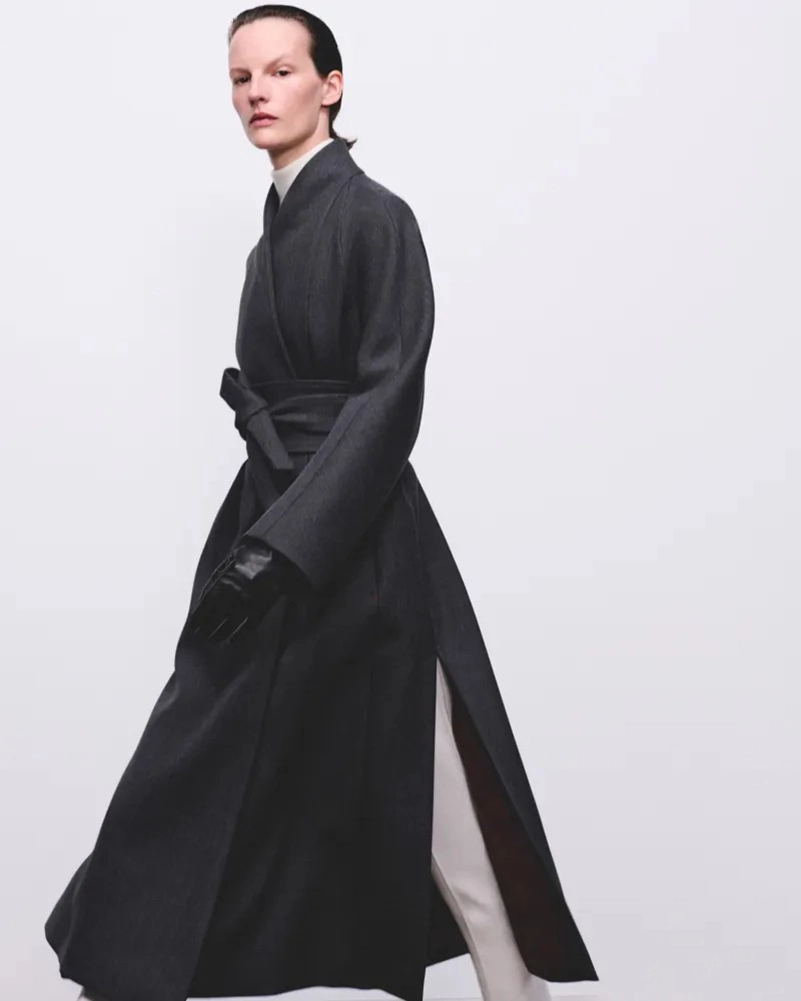
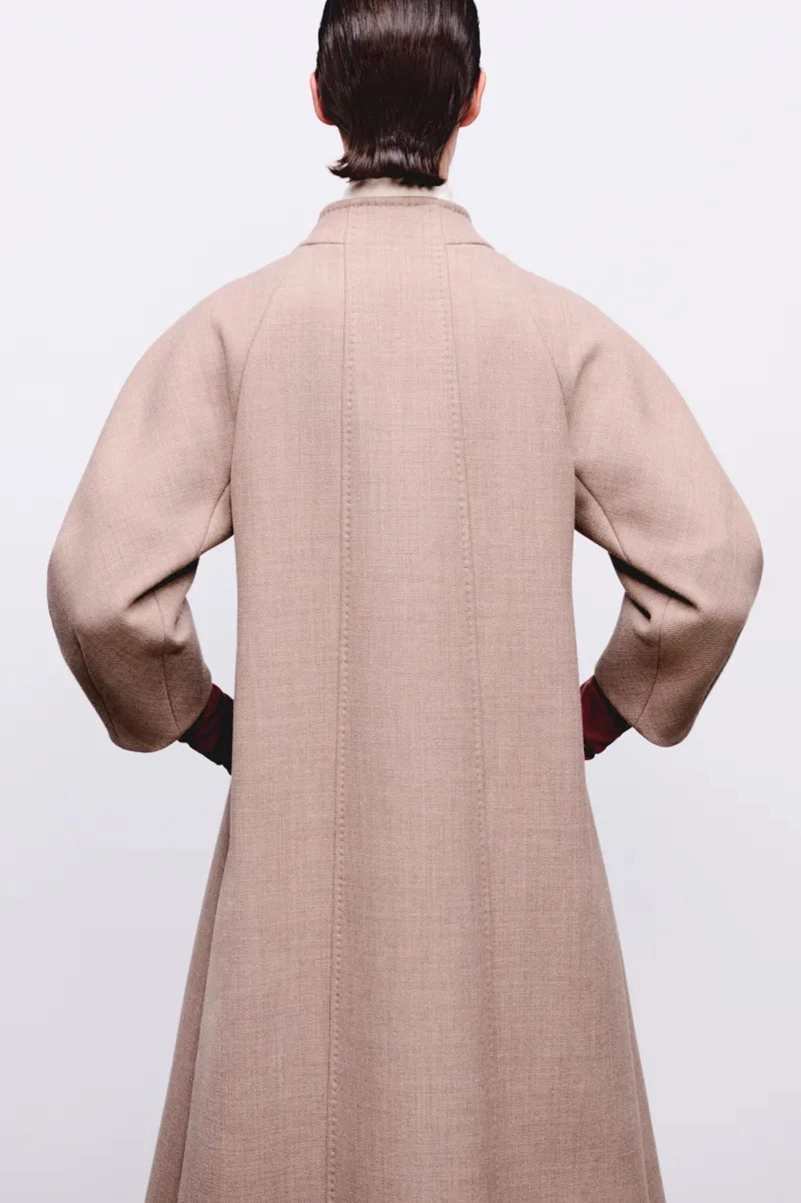
There was no need to cover the coats in decoration to make them feel important. Some skimmed the waist before widening toward the floor. Others pushed outward from the shoulders or wrapped around the body like capes. A vintage Japanese kimono from the archive inspired an obi-style belt that pulled one generous coat inward, leaving the back to fall into broad pleats. It wasn’t a random reference dropped into the lineup for visual interest. It changed the entire attitude of the coat.
The presentation also let everyone see the usually hidden part. Sketches, patterns, toiles and fitting samples mapped out how each design moved from paper to fabric, while red basting thread remained visible across the finished pieces. That detail traced back to the sewing school founded by Achille Maramotti’s mother, but it also kept the collection from looking too pristine. On the finished coats from Max Mara, those bright stitches felt almost rebellious against the exact seams and expensive neutrals.
Gae Aulenti, Cini Boeri, Florence Knoll and Sophie Hicks were among the female architects referenced throughout the collection. Each worked with function, proportion and authority without making practicality look dull. Hicks’ influence was already built into the room through the flagship’s orange spiral staircase, which curled behind the coats like an architectural exclamation point. The clothes didn’t compete with the space. They looked completely at home in it.
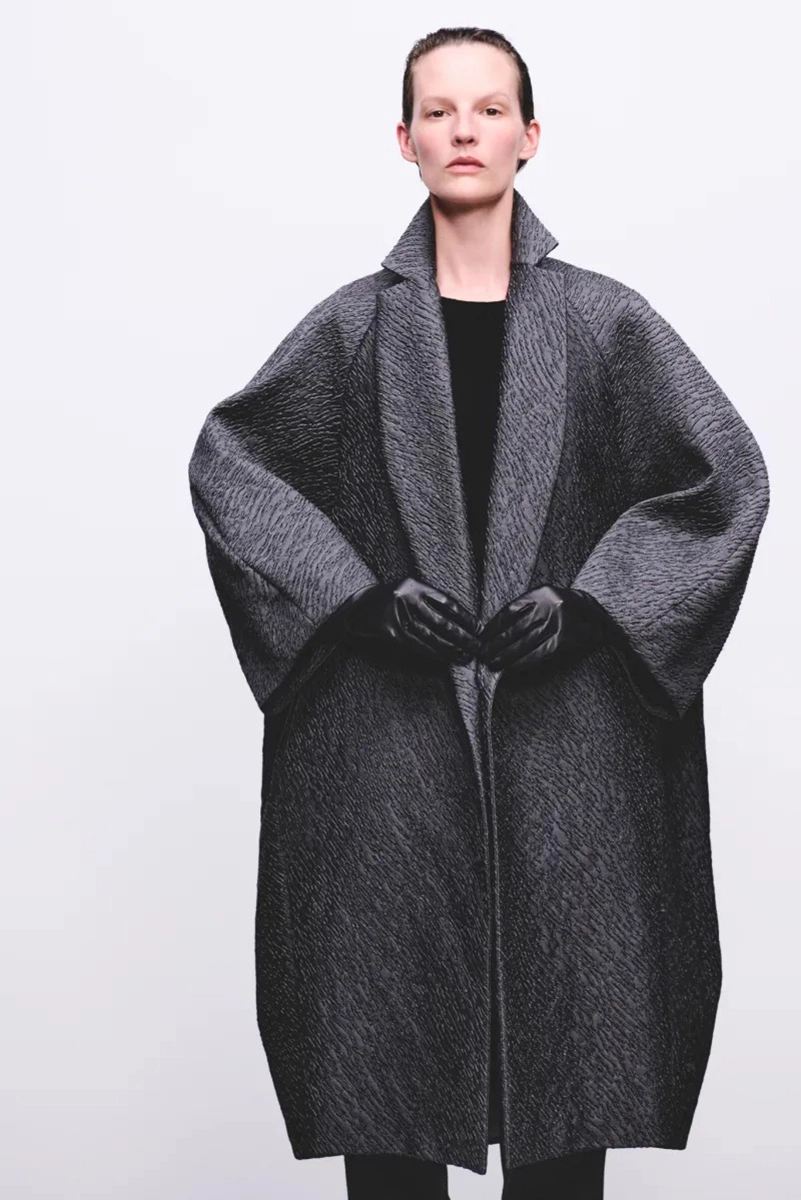
The Paris presentation also gave Max Mara a chance to separate Atelier from its Fall 2026 runway collection. That show leaned into medieval references, weighty wool, suede and hardware. Atelier went straight to the cutting table. A shoulder line, a folded back, a wrapped waist or the placement of a seam carried more importance than any obvious styling trick.
Bringing Atelier to couture week wasn’t about Max Mara asking permission to join the conversation. It was the house pointing to the patterns, fittings, fabric and decades of accumulated knowledge behind its most famous garment. Plenty of labels can make a dramatic dress. Max Mara made a coat feel like the most serious thing in Paris.
Trending Max Mara Styles
Extra Style Notes
Brand DNA
Founded in Reggio Emilia, Italy, by Achille Maramotti in 1951, Max Mara is celebrated for refined tailoring and timeless wardrobe essentials. Camel coats, impeccable suiting, luxurious knitwear, and understated Italian sophistication define the house’s enduring appeal.
Related Links