


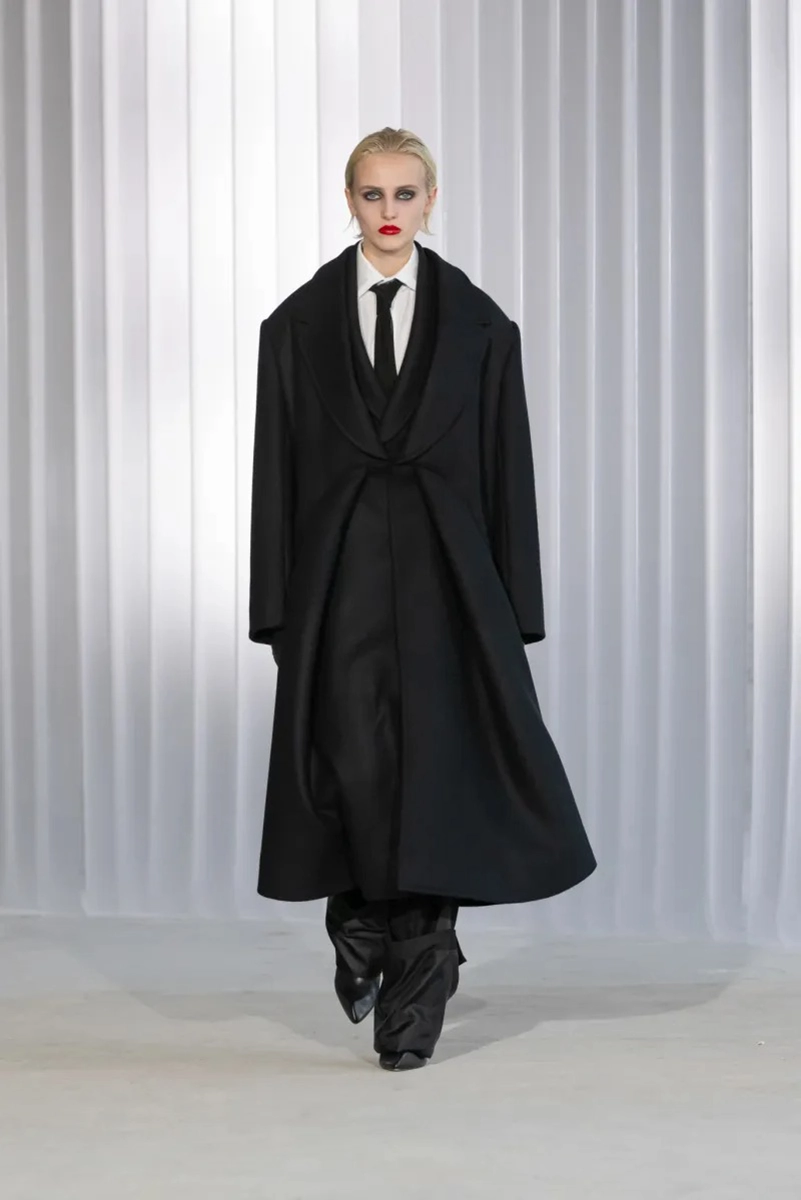
Jean Paul Gaultier Fall 2026 marks a clear recalibration for Duran Lantink. After a widely criticized debut, this collection narrows its focus, placing tailoring at the center while continuing to manipulate proportion and body shape. The starting point came from a conversation with Jean Paul Gaultier himself, leading into the idea of “madame masculinity,” where traditional suiting is reshaped rather than replaced.
Tailoring Anchors the Collection
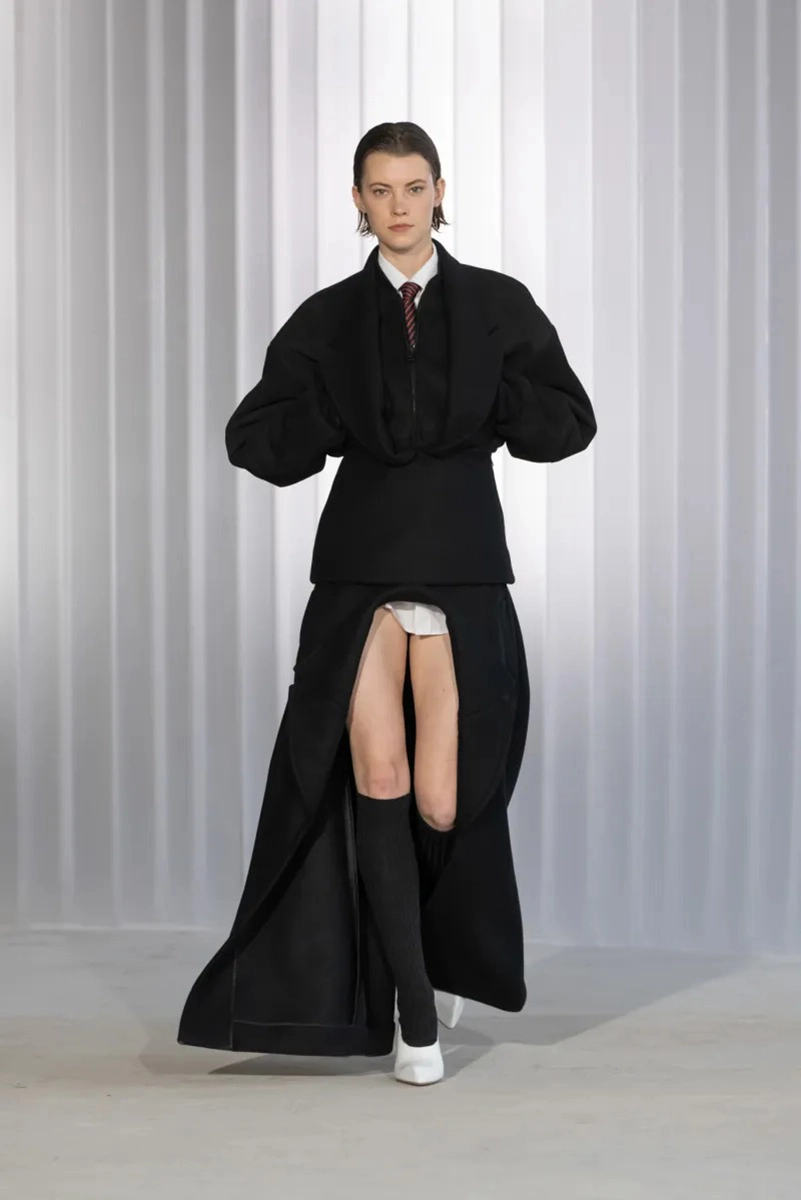
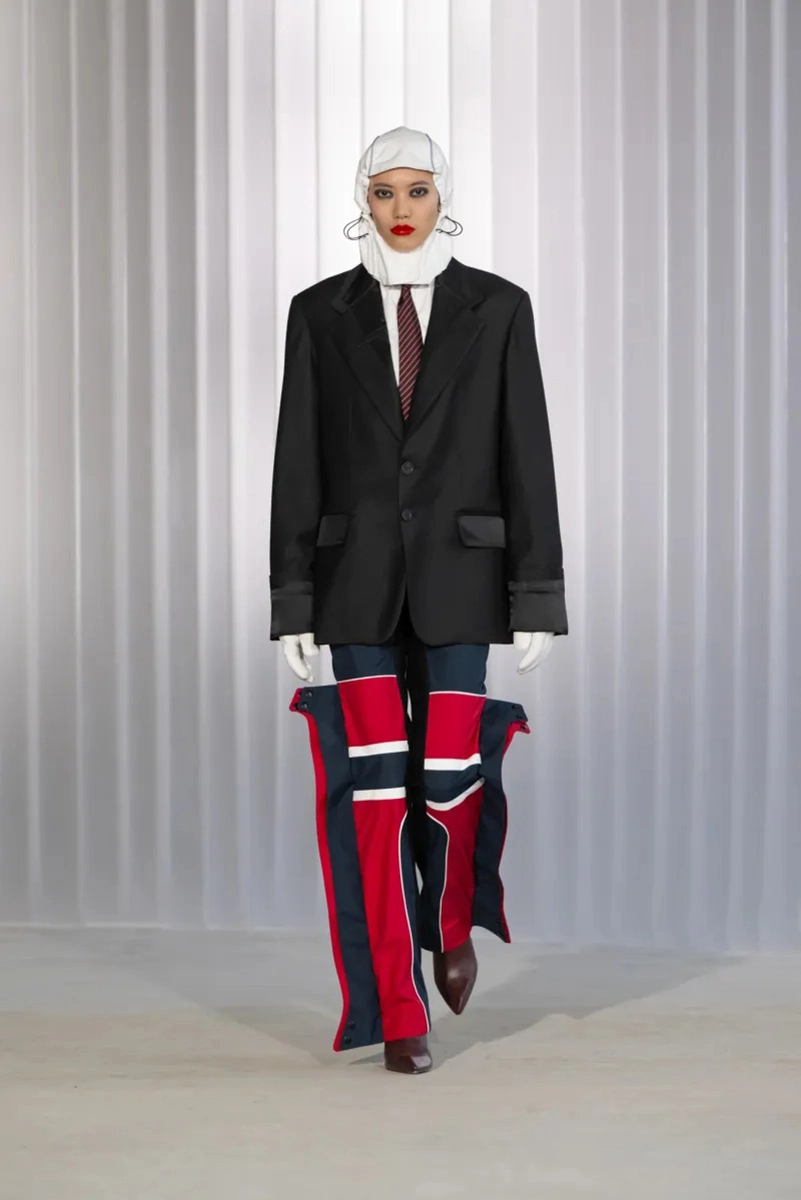
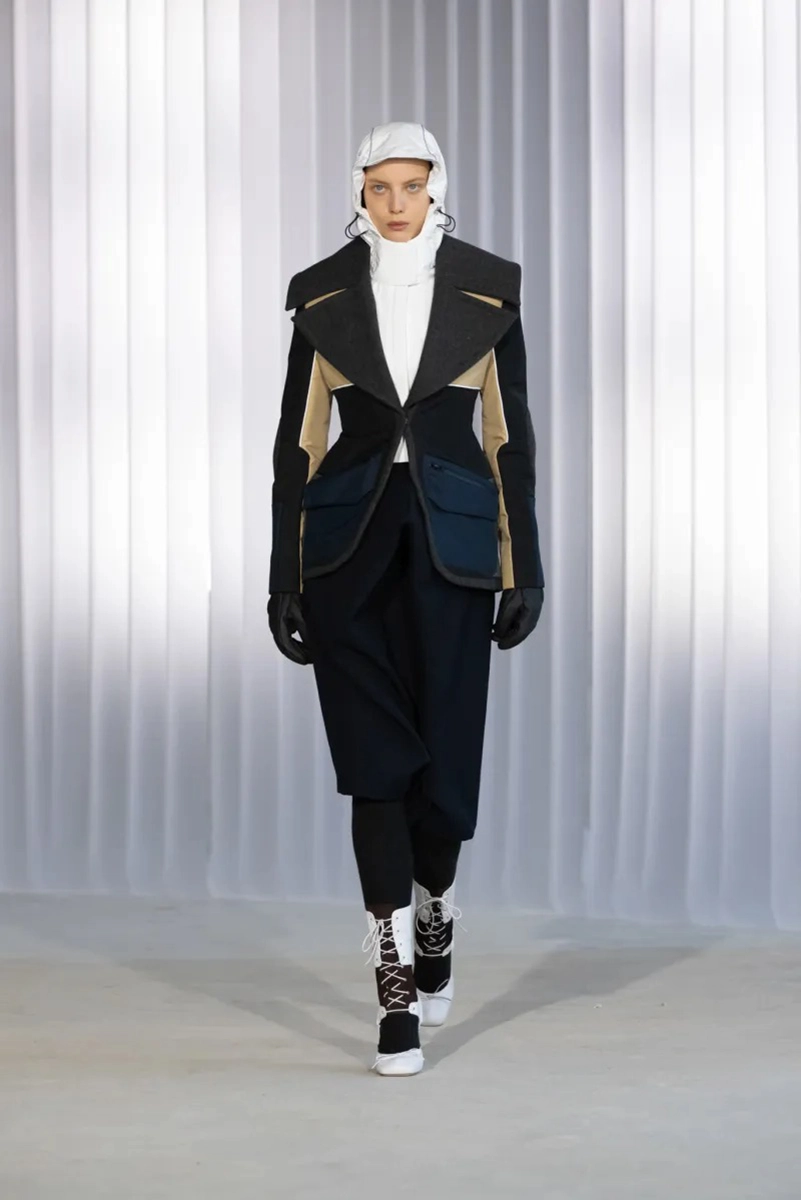
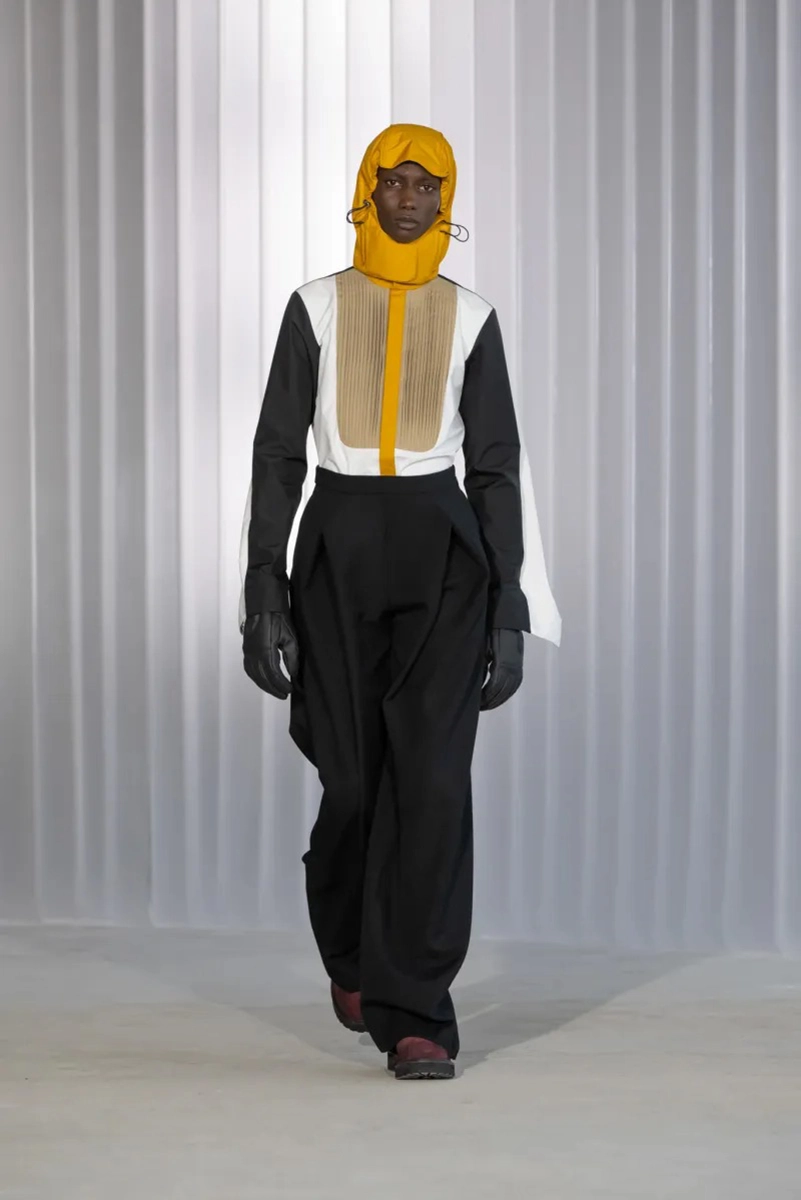
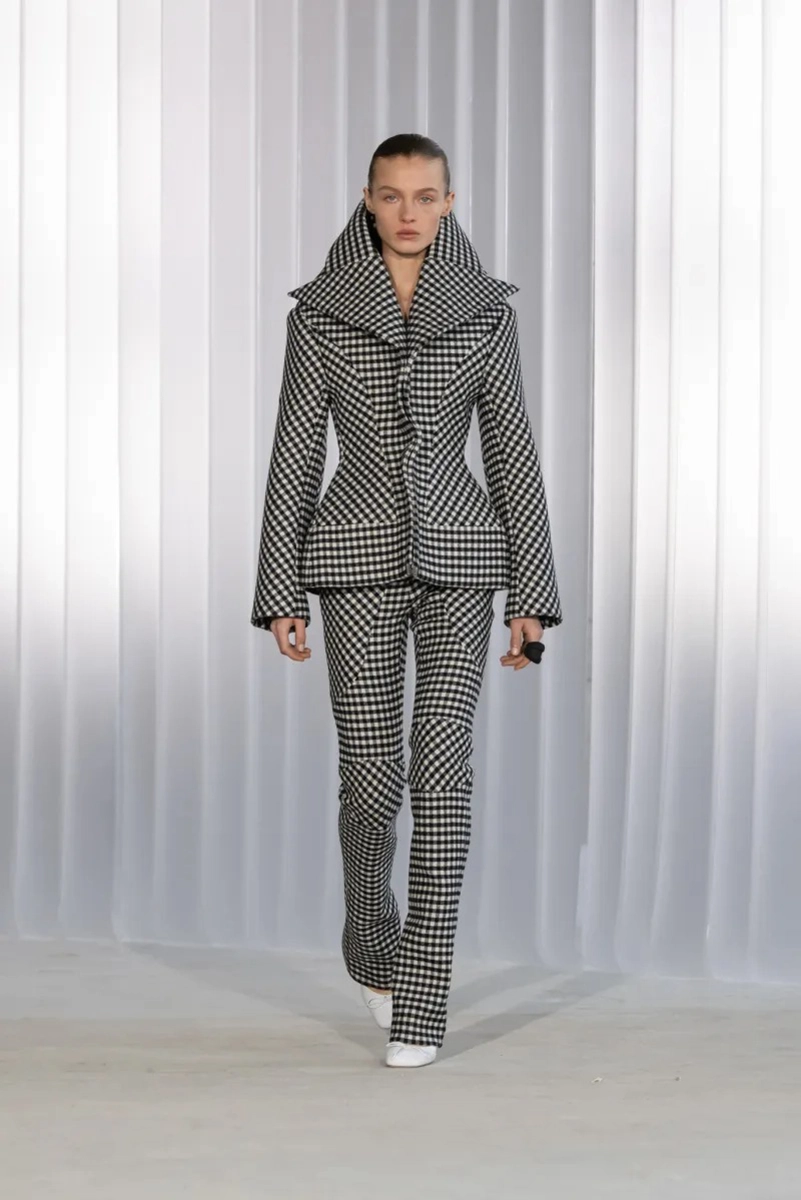
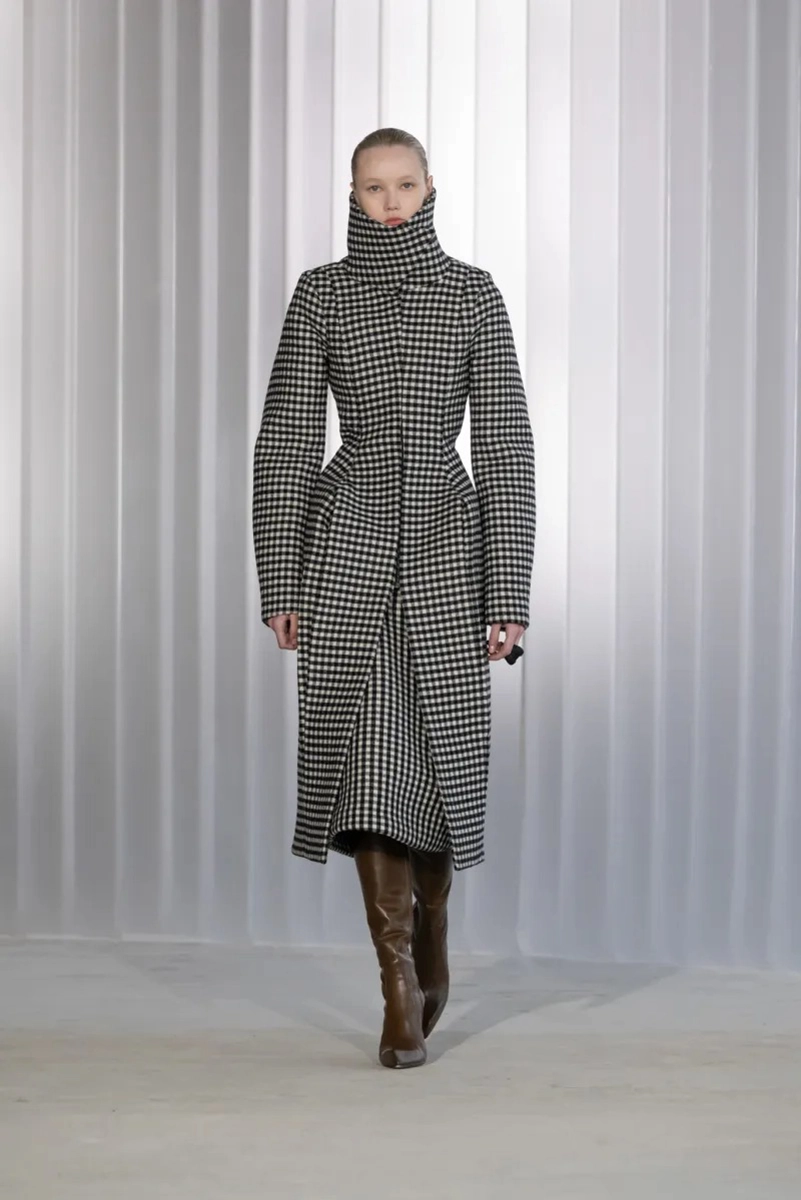
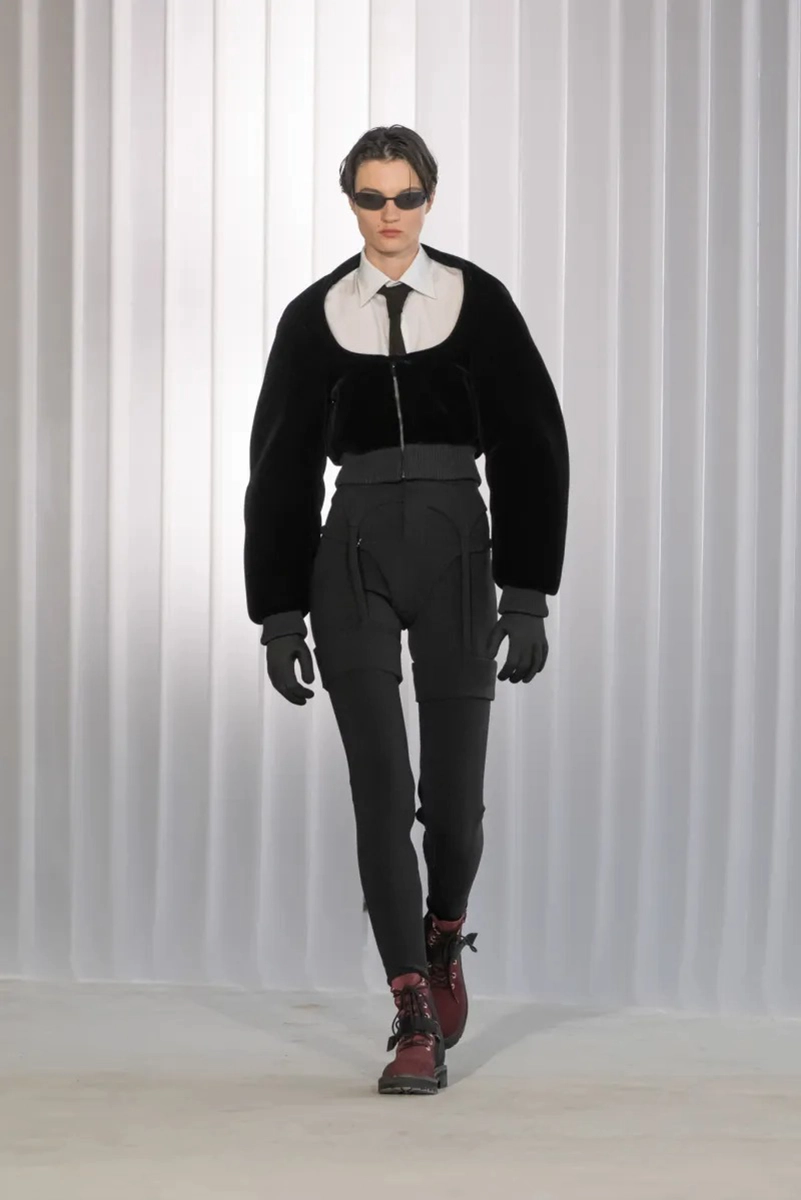
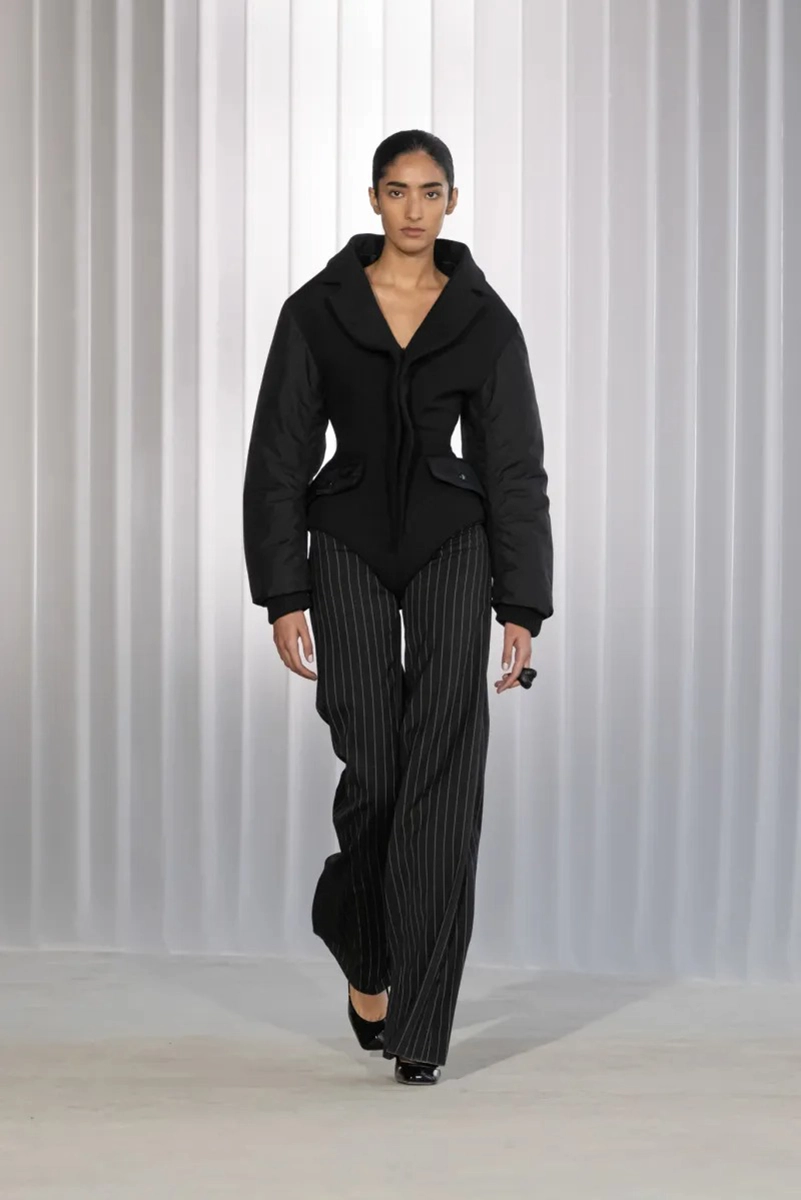
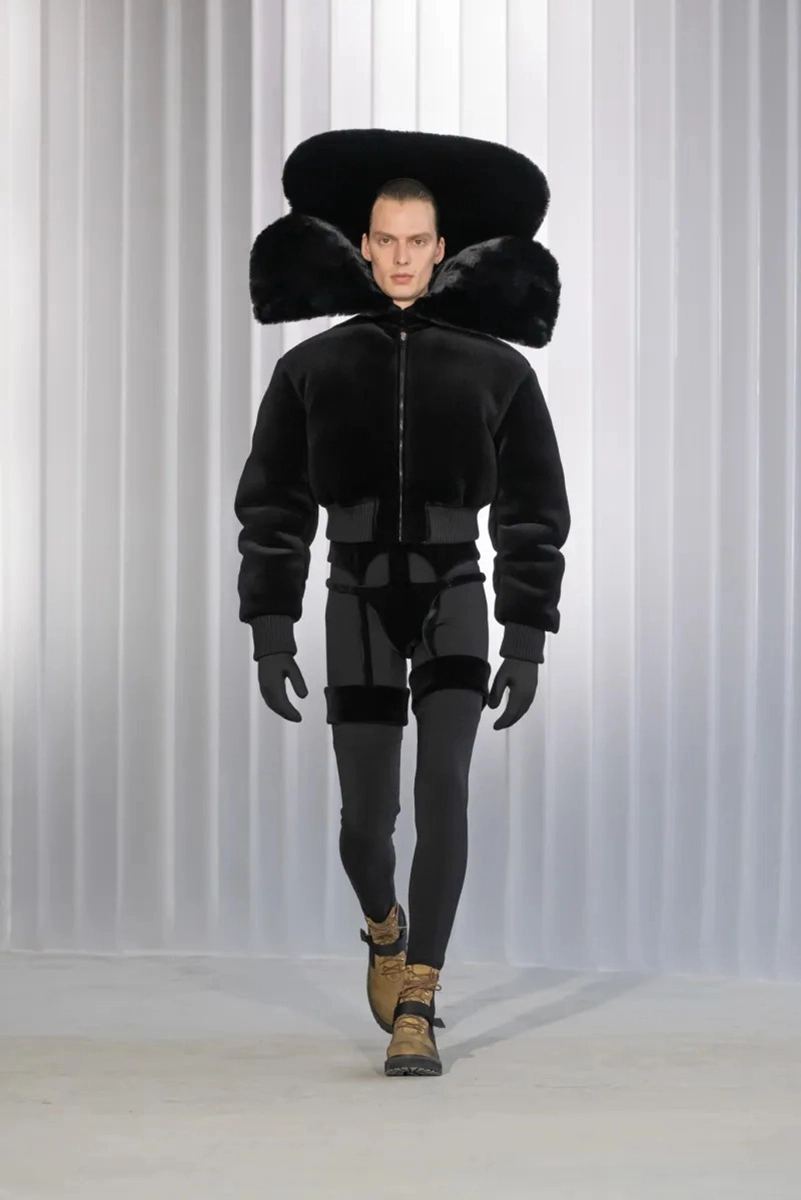
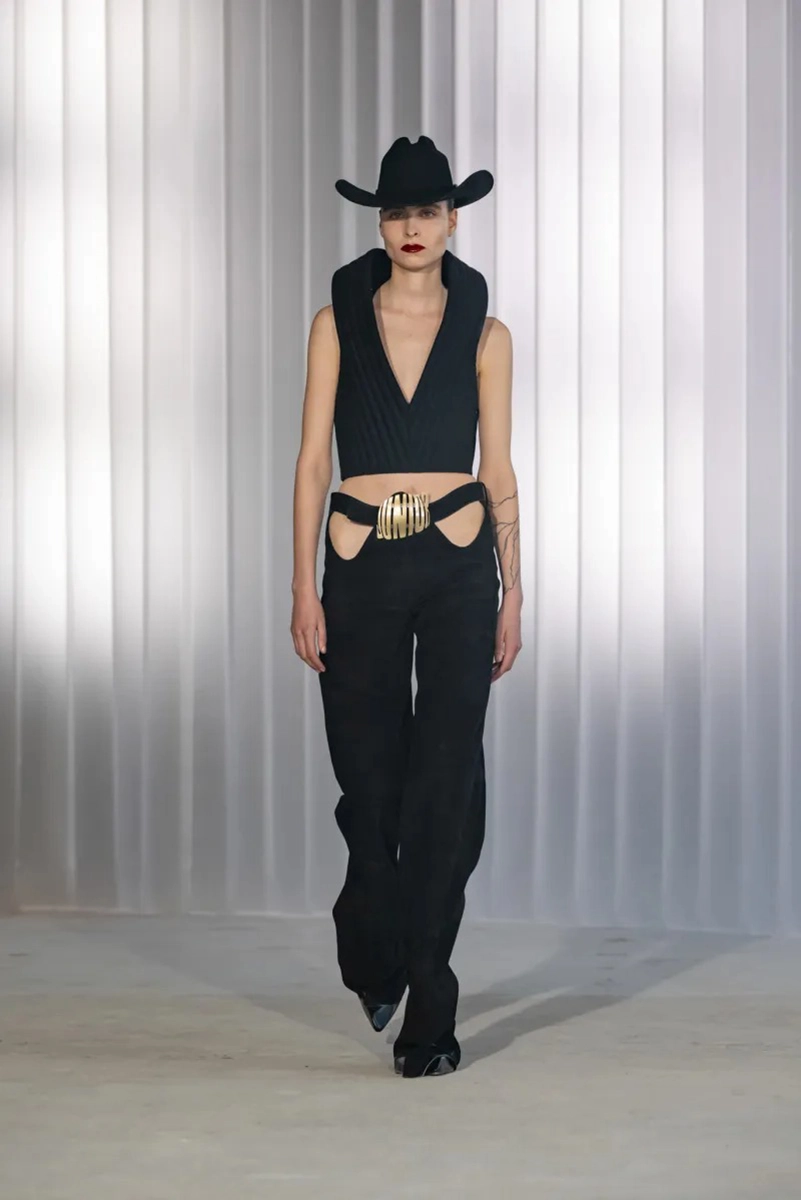
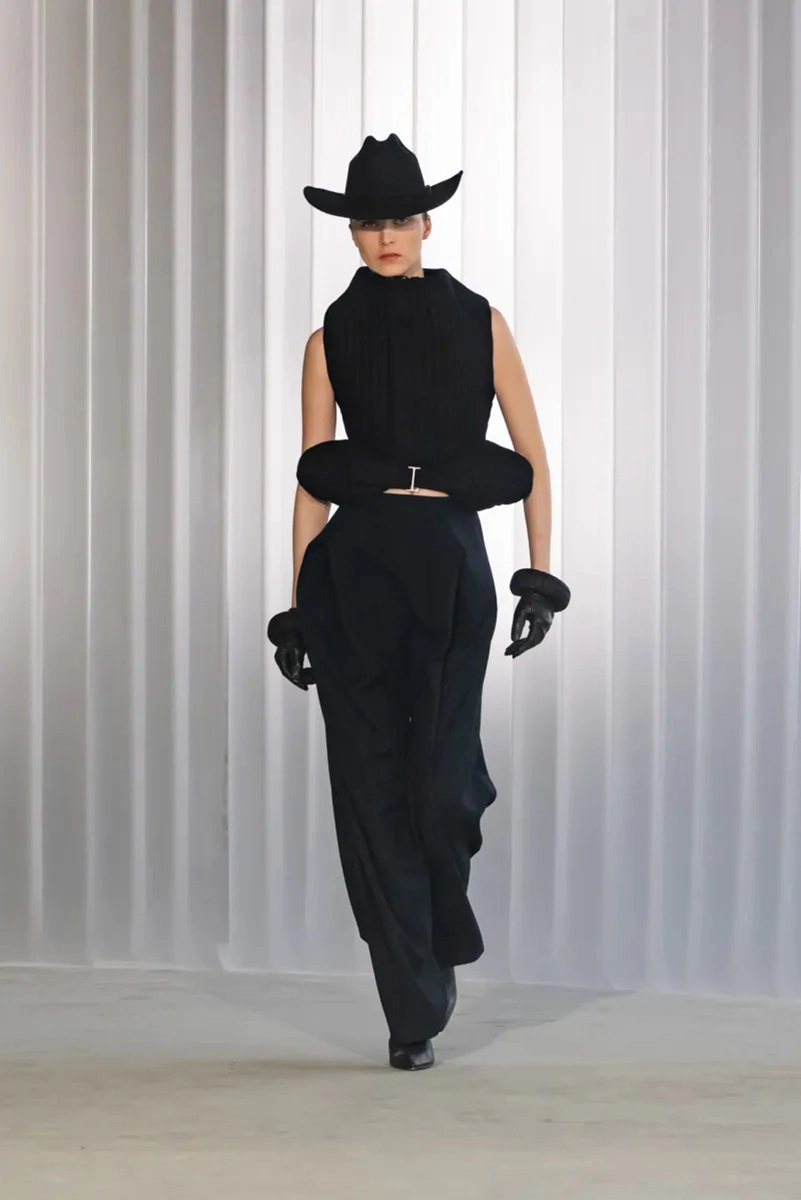
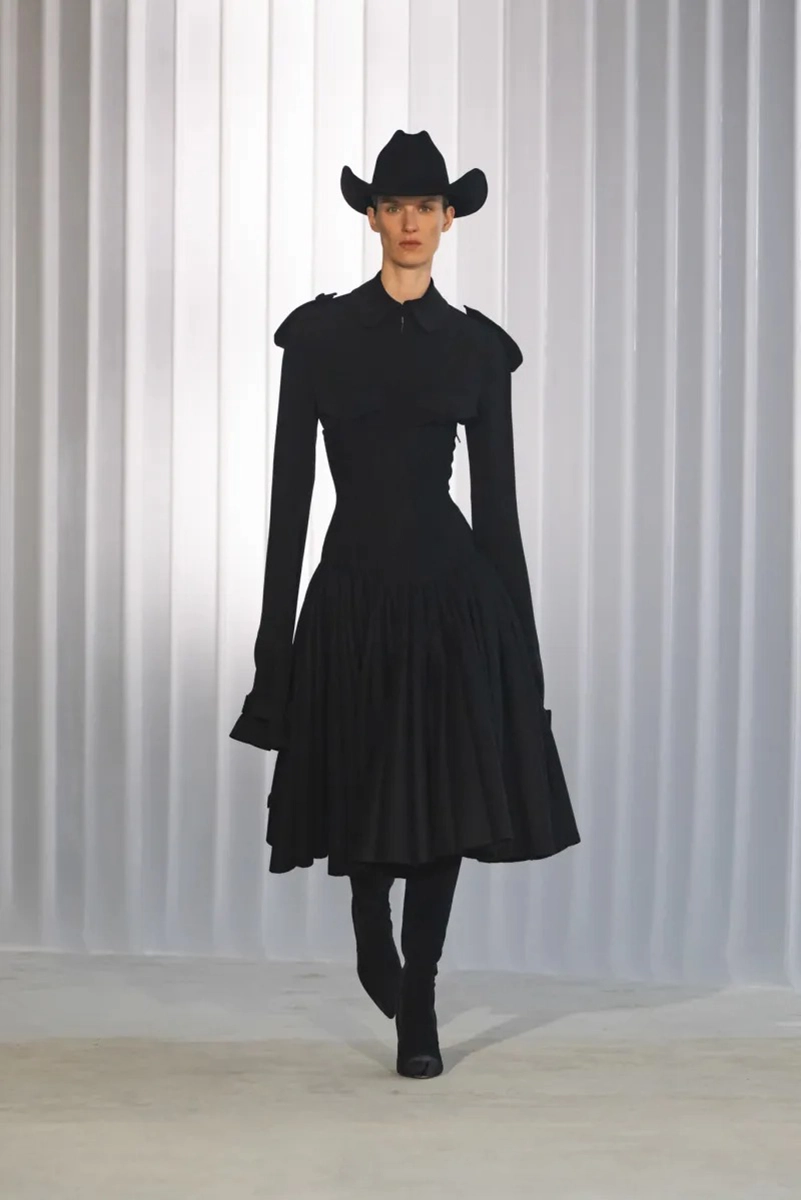
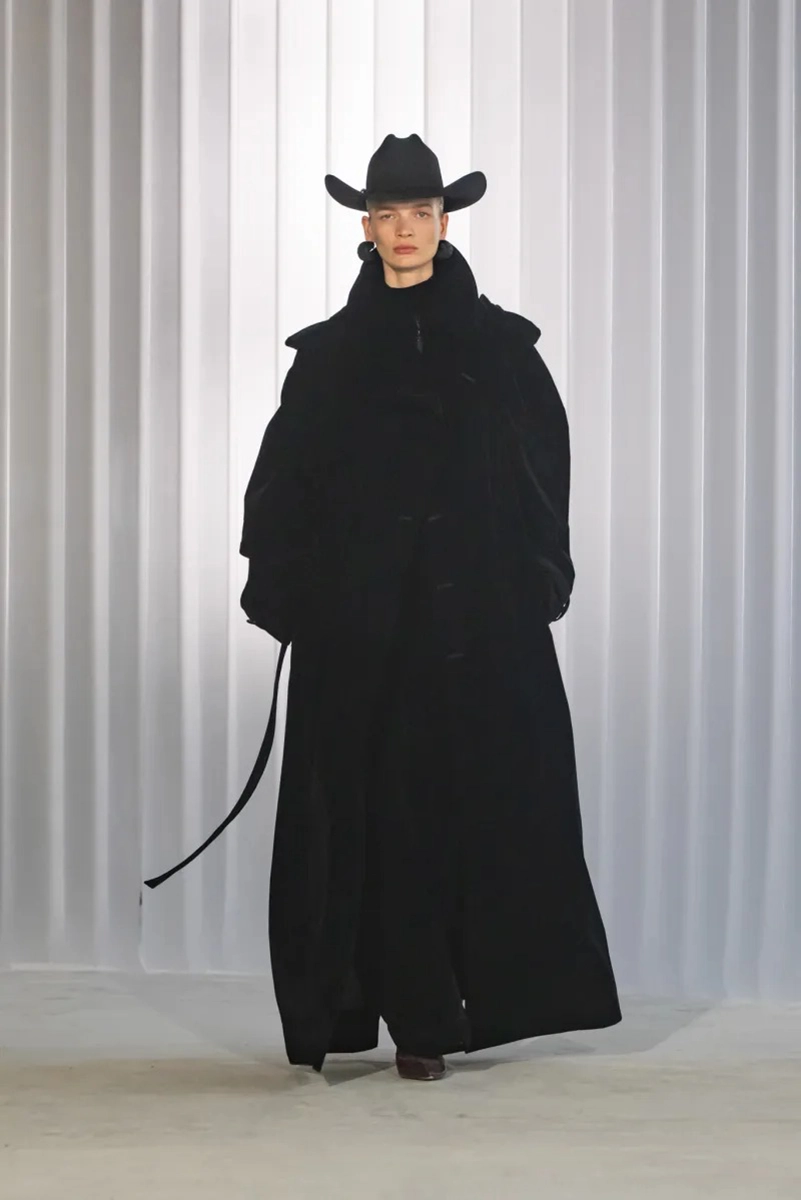
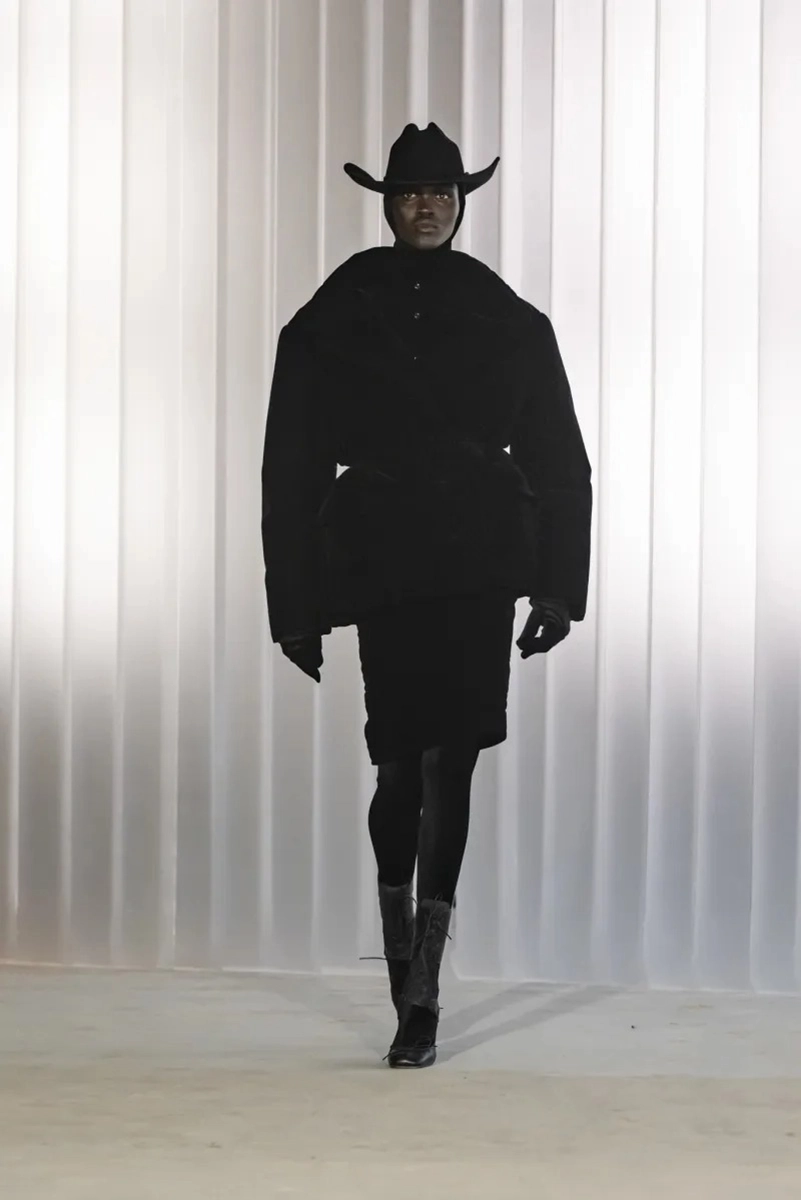
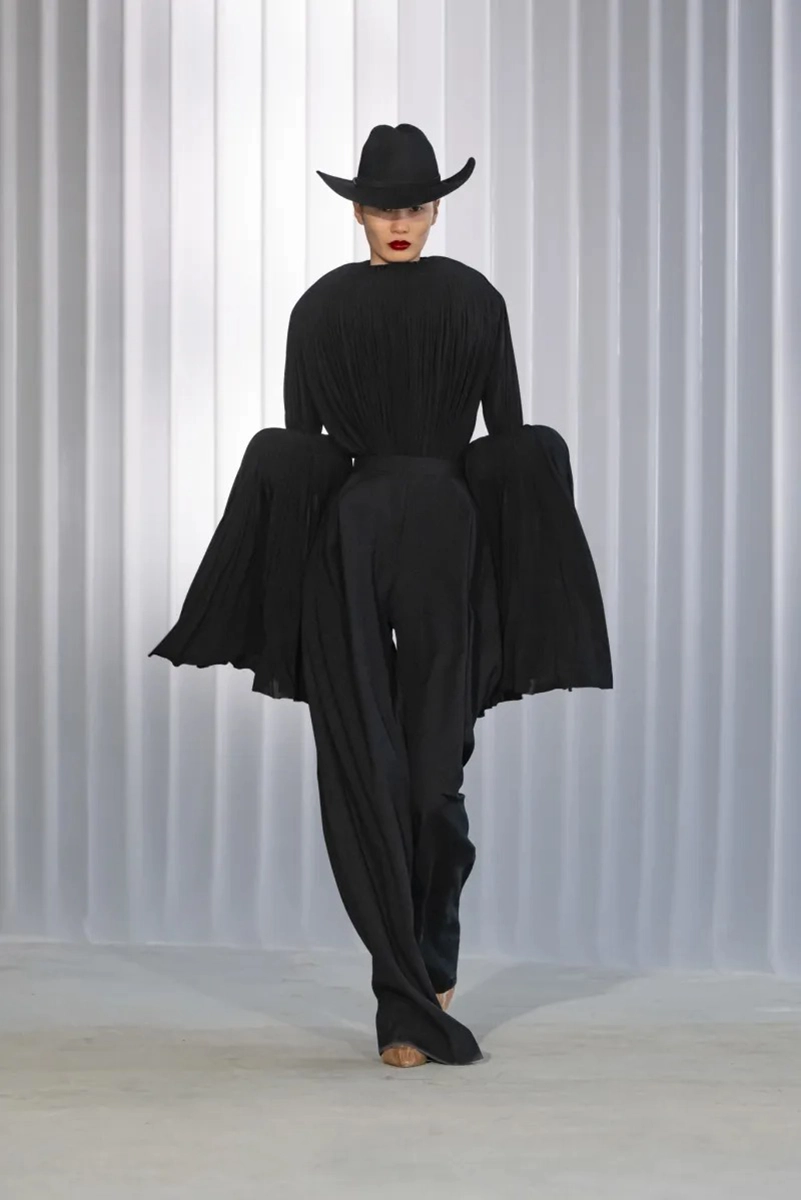
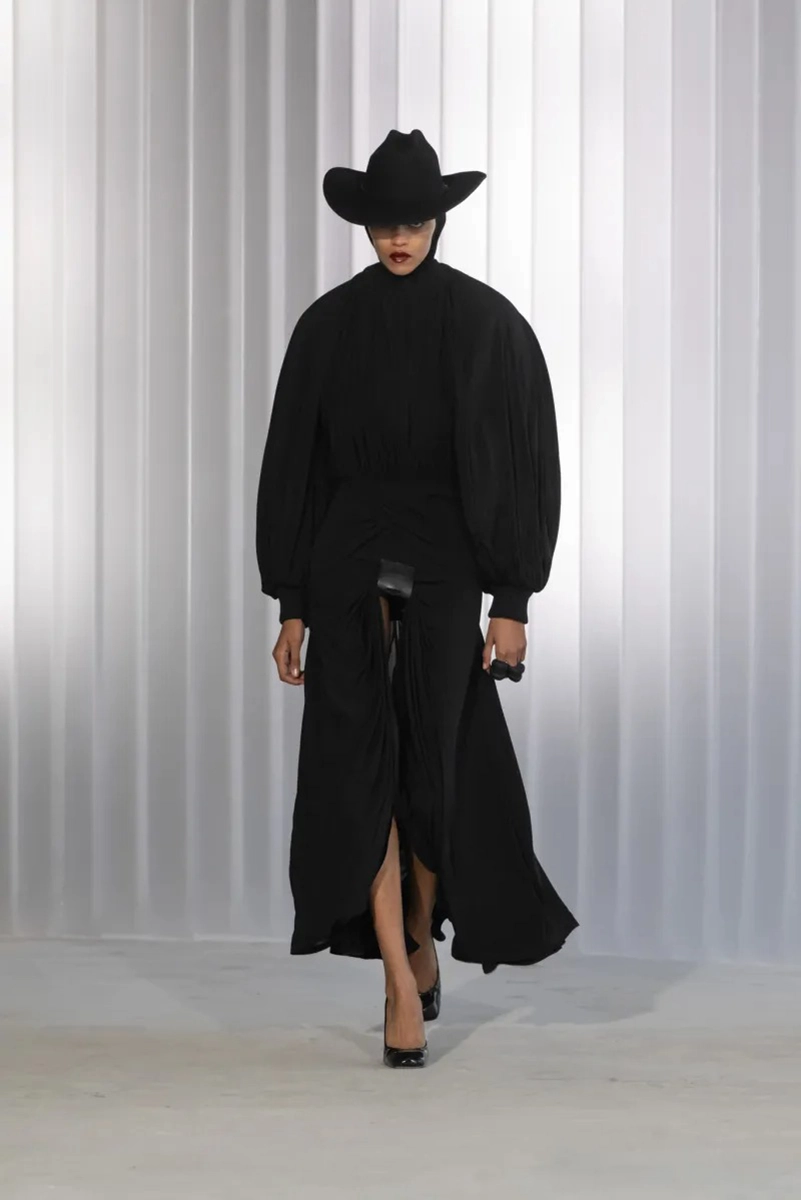
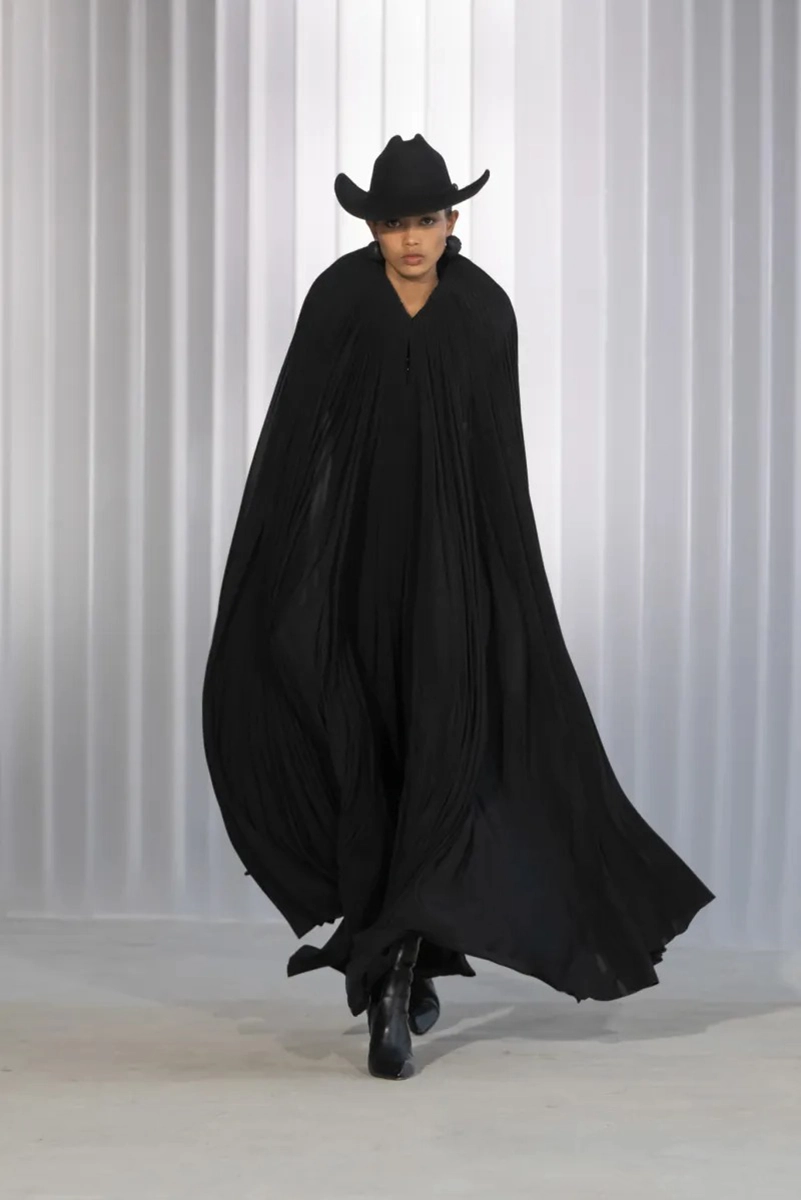
The show opens with a sharply defined suit and overcoat, where extended shoulders and a cinched waist curve the body into a new outline. This structure carries throughout the collection, with jackets and coats designed to bend rather than follow straight lines. Compared to the previous season, the tailoring feels more controlled, acting as the foundation rather than one of many competing ideas.
Proportion Is Manipulated Through Construction
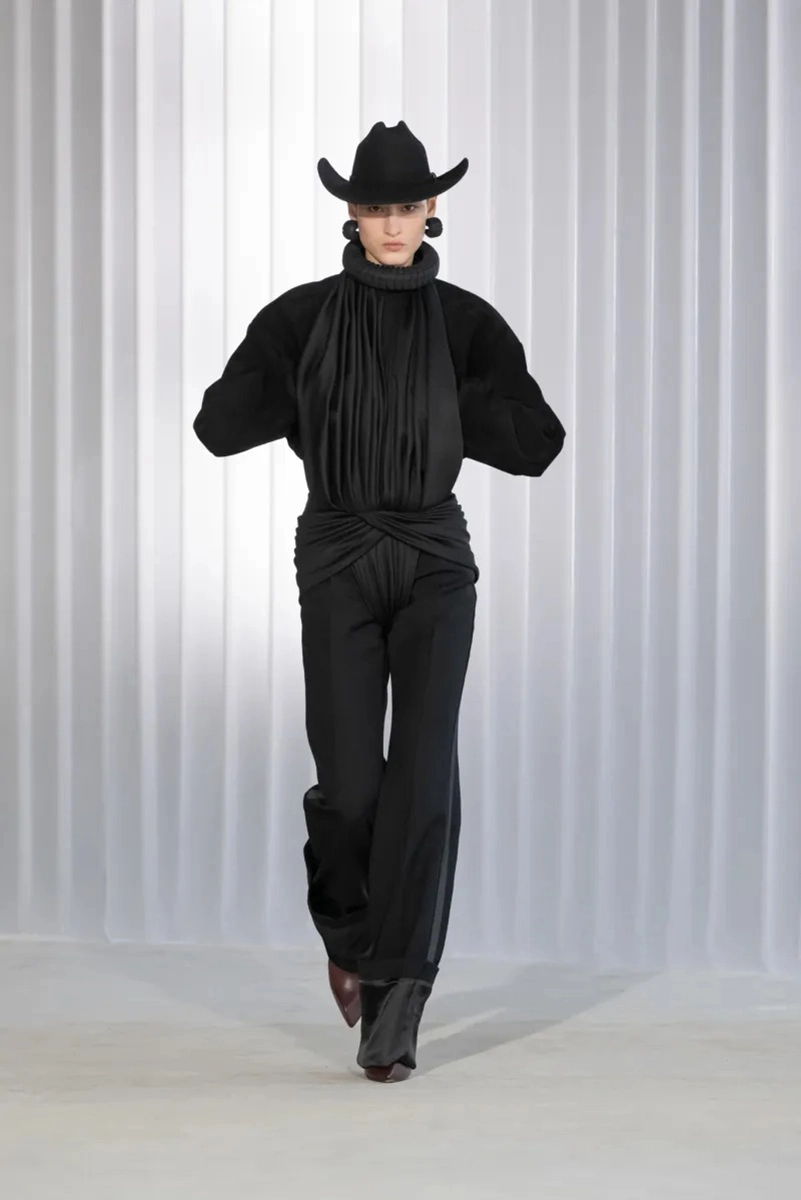
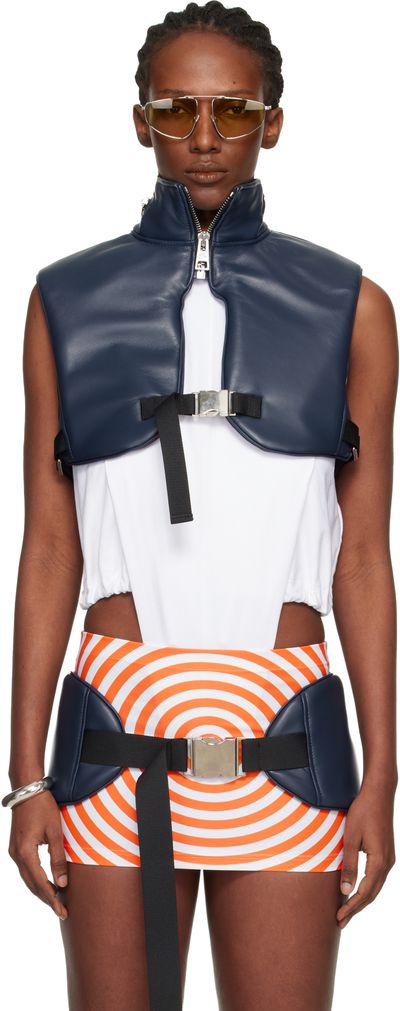
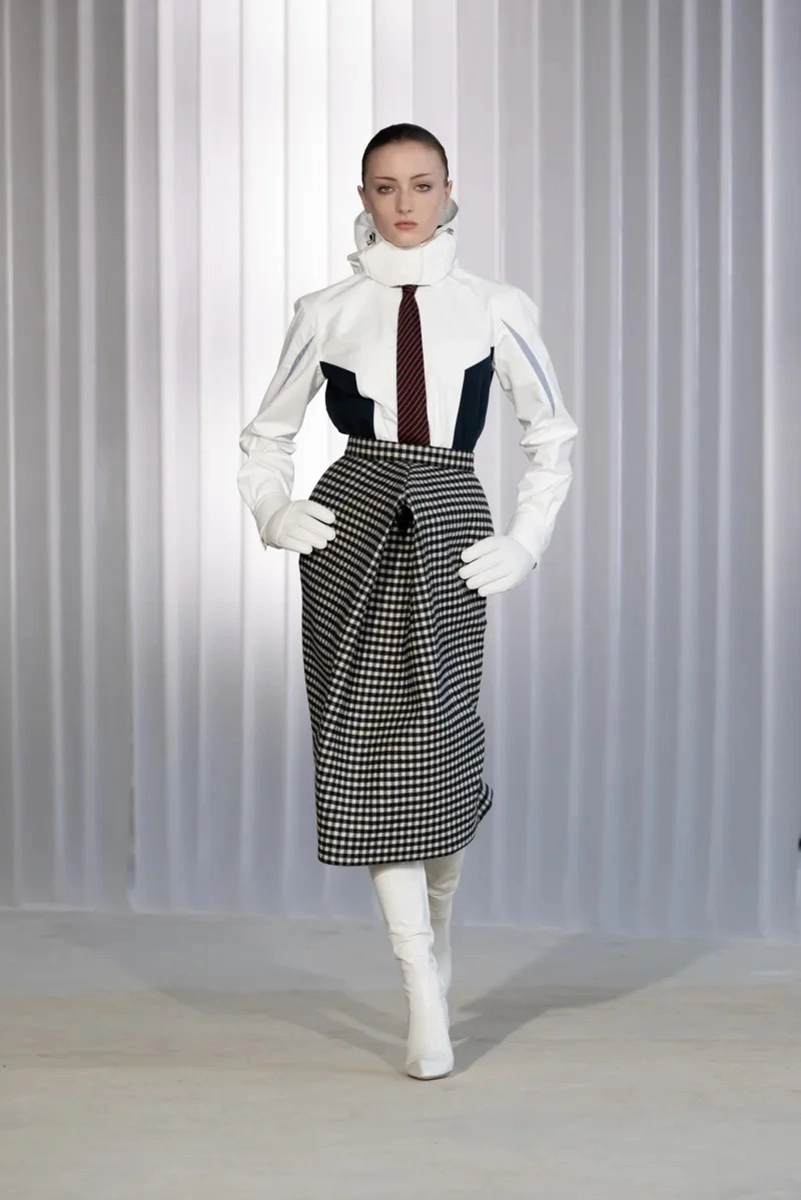
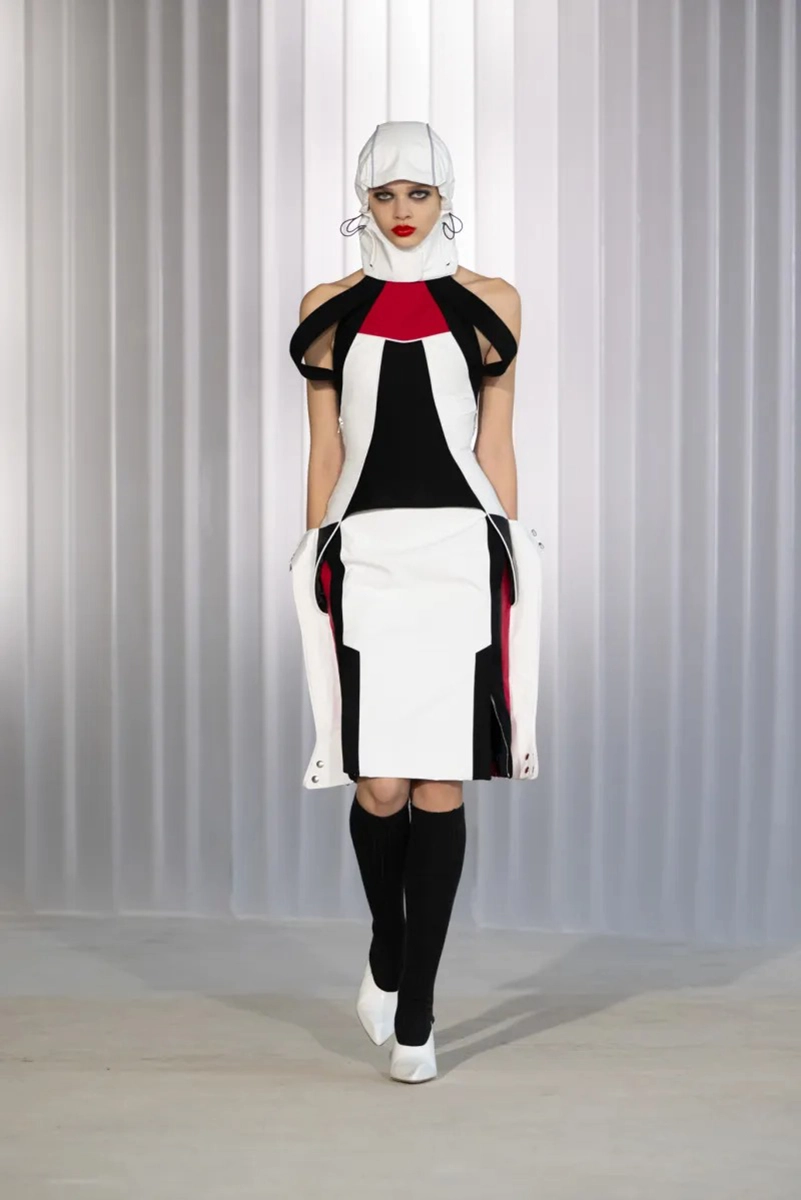
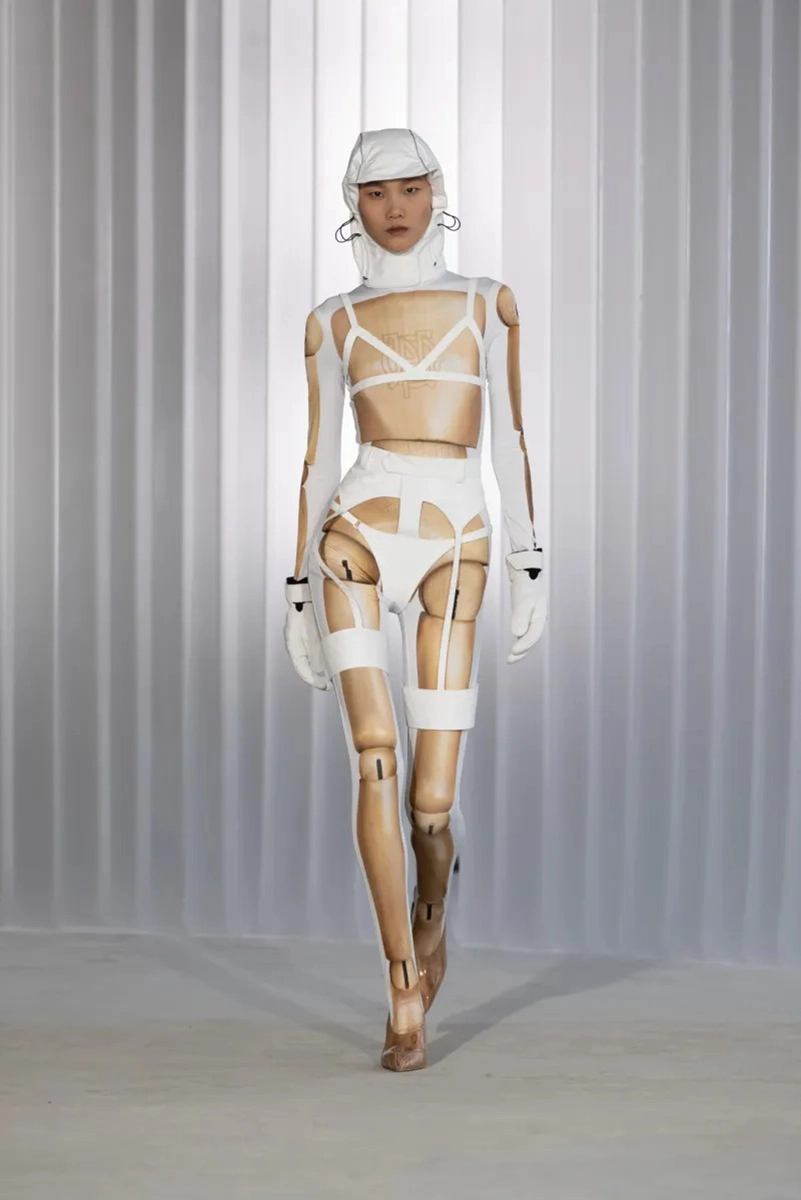
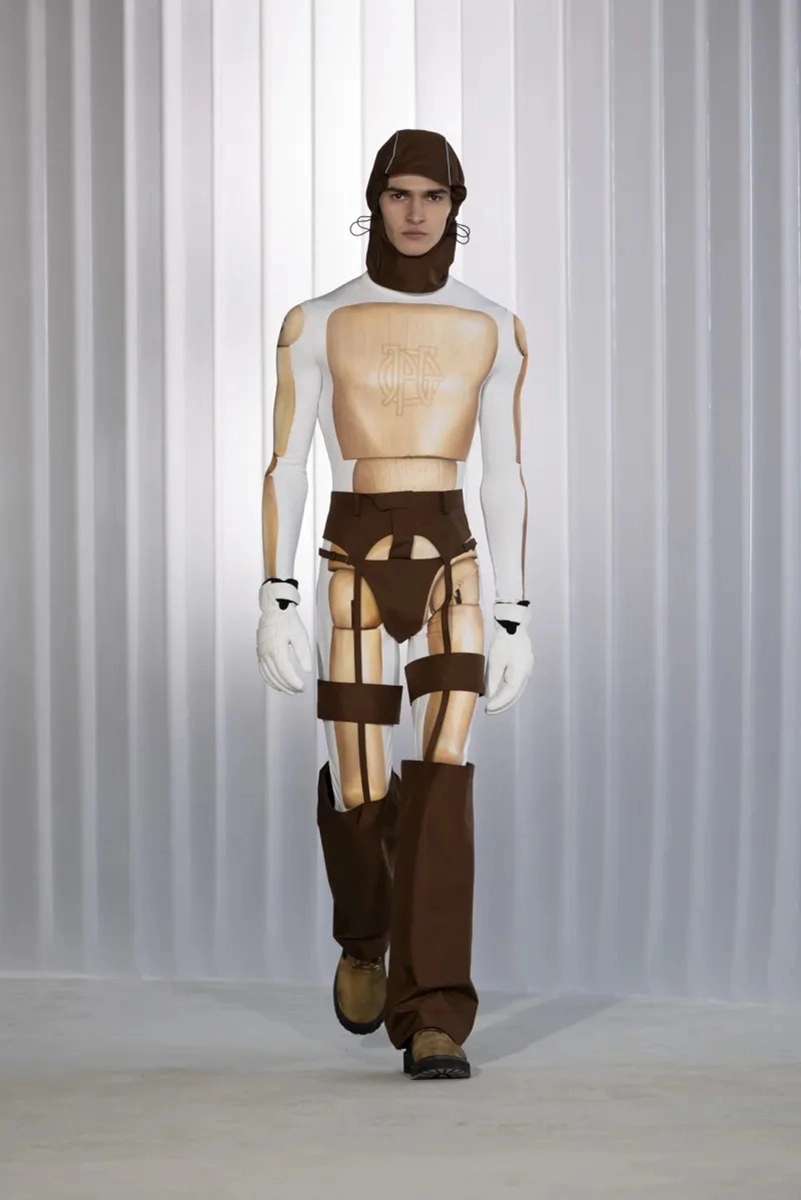
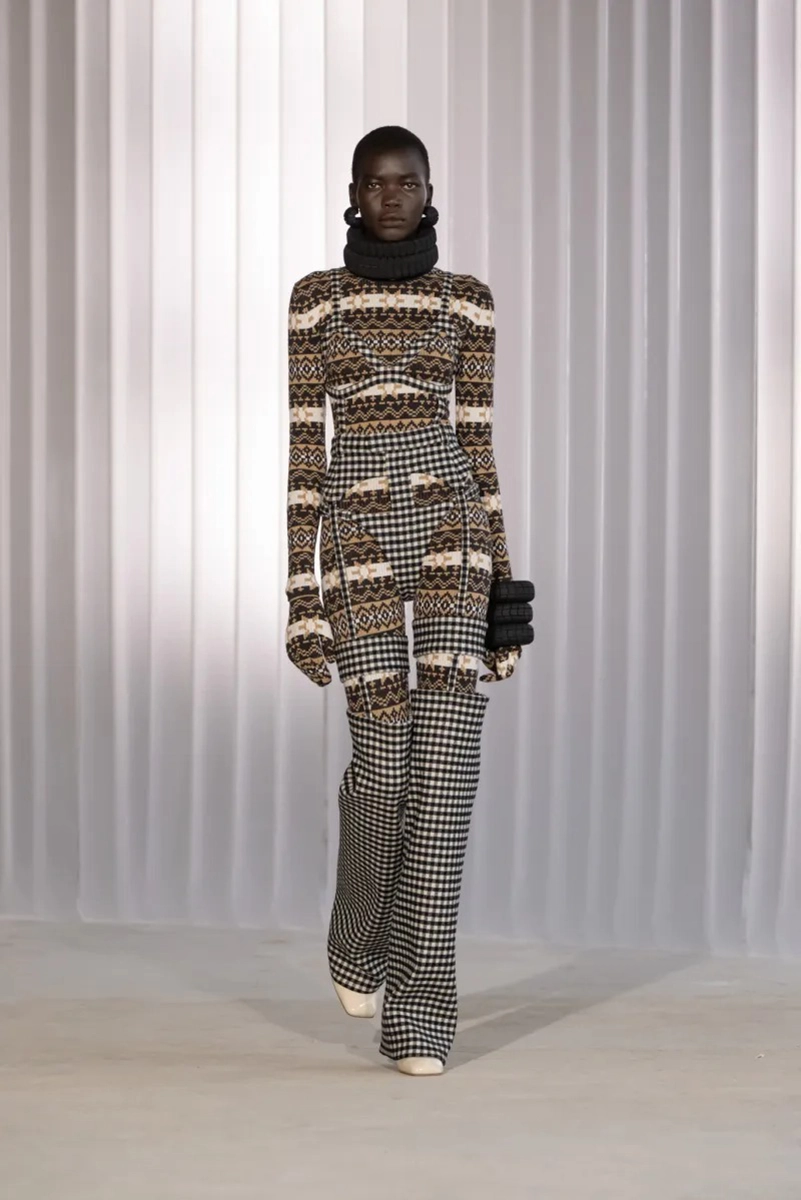
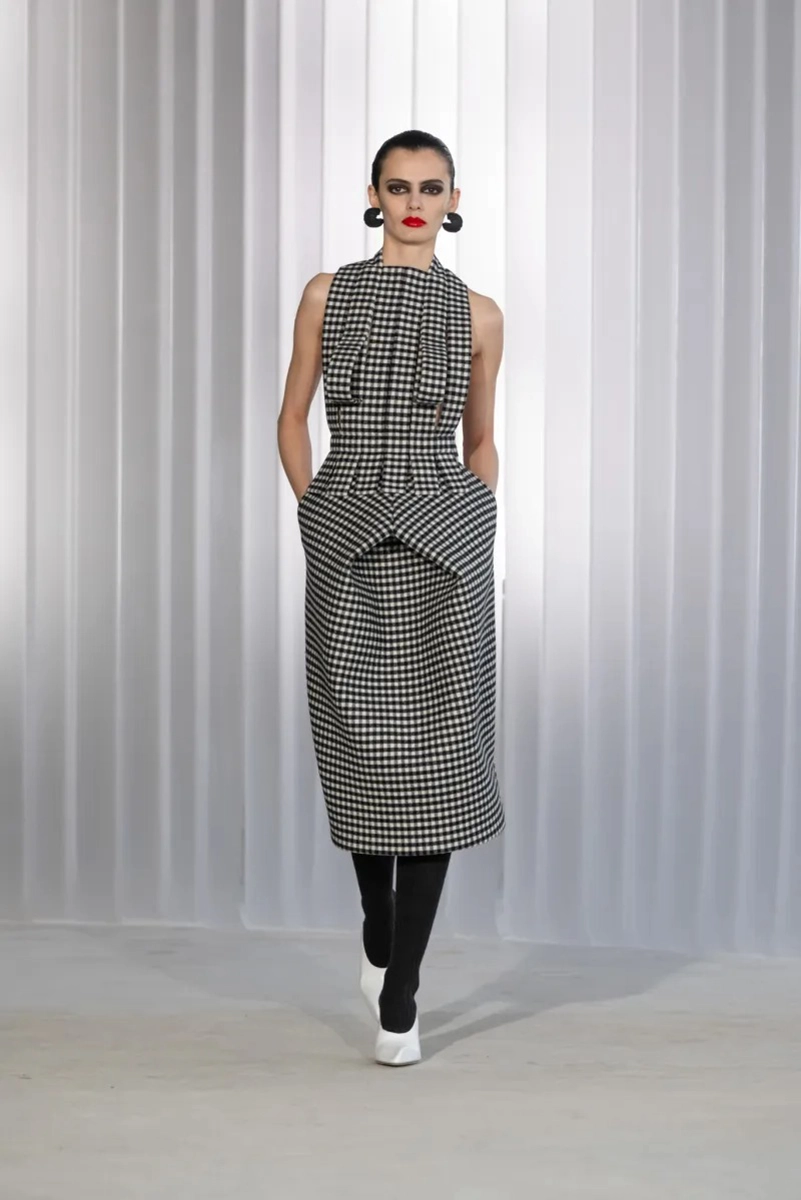
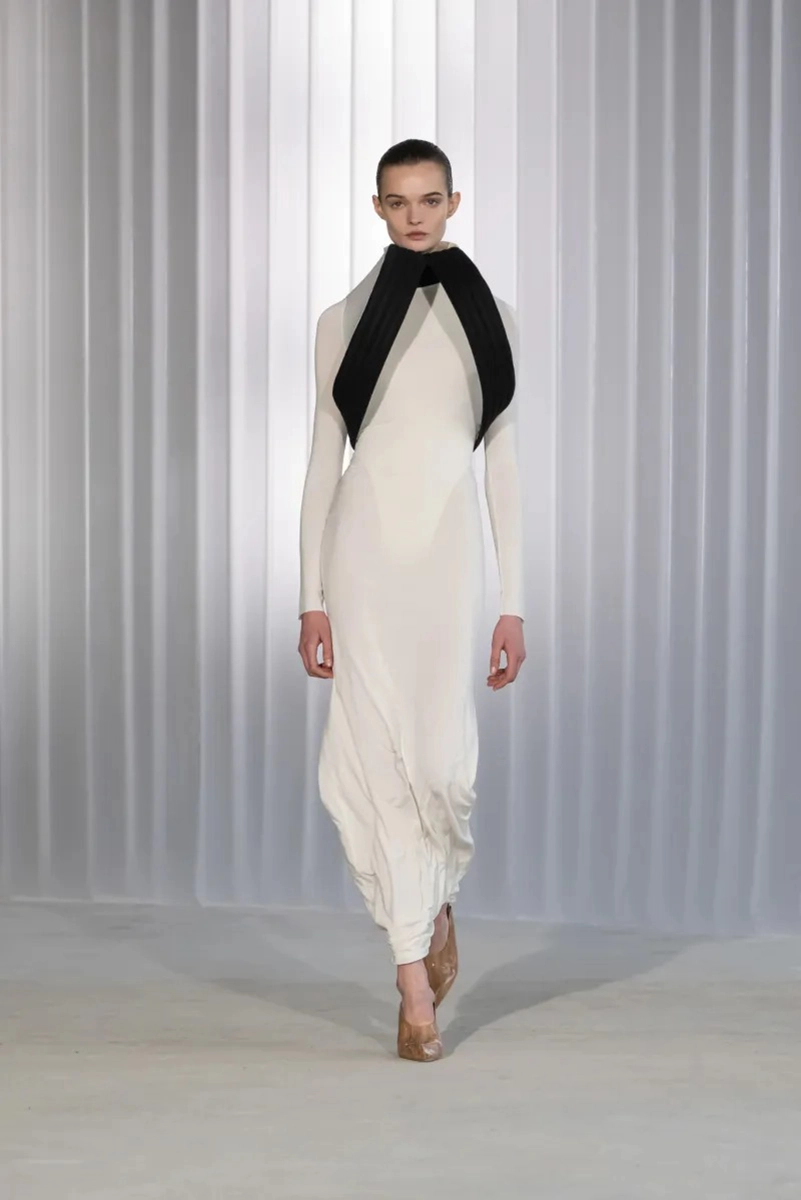
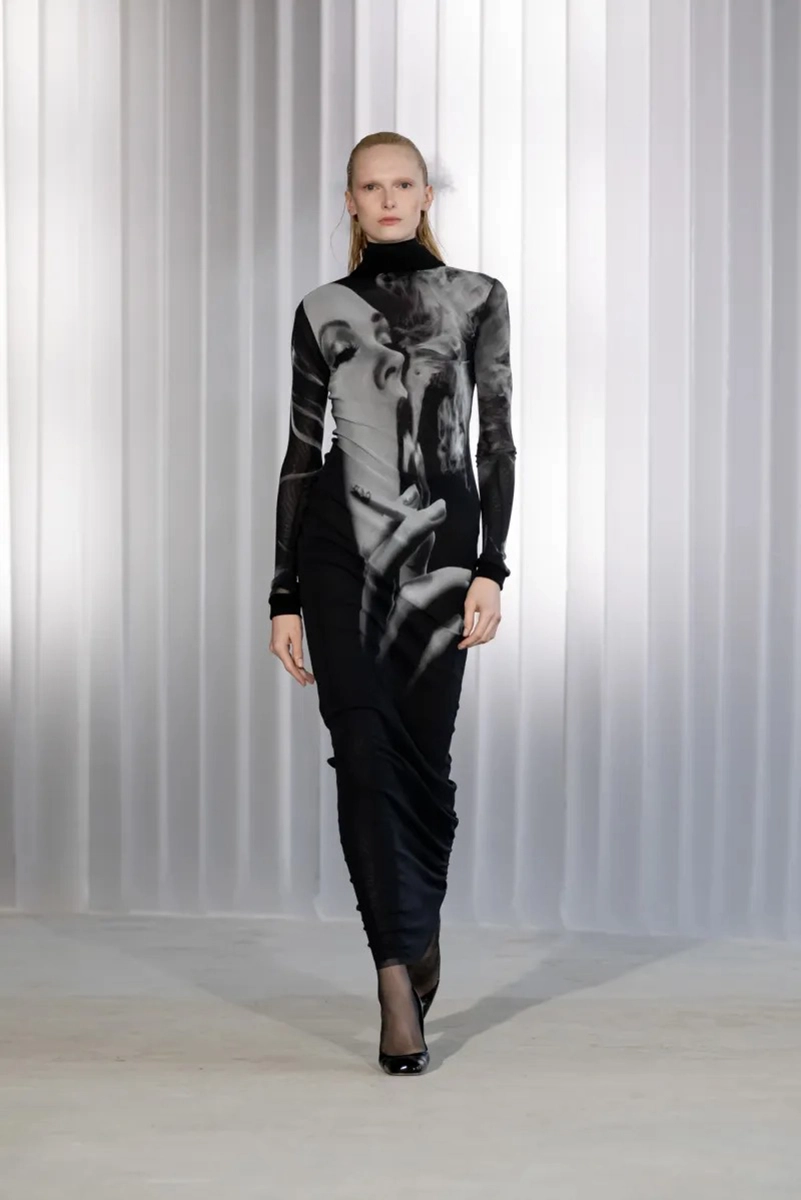
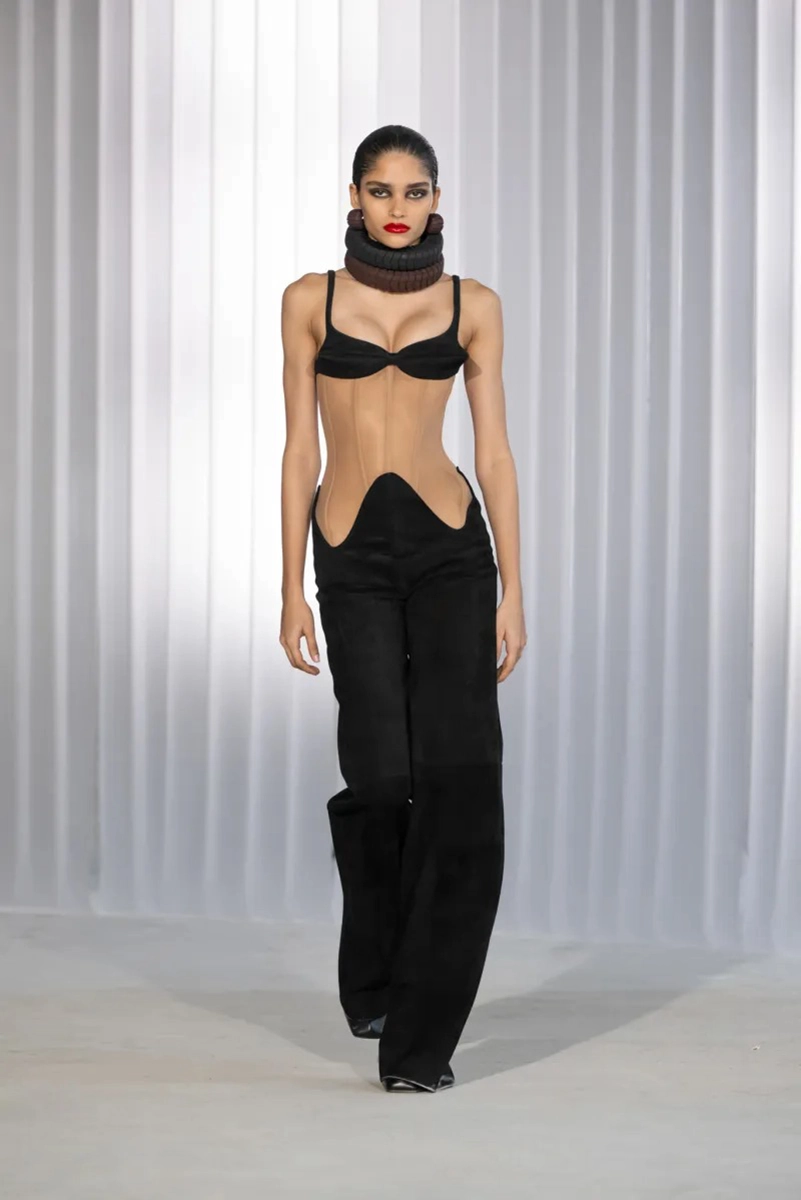
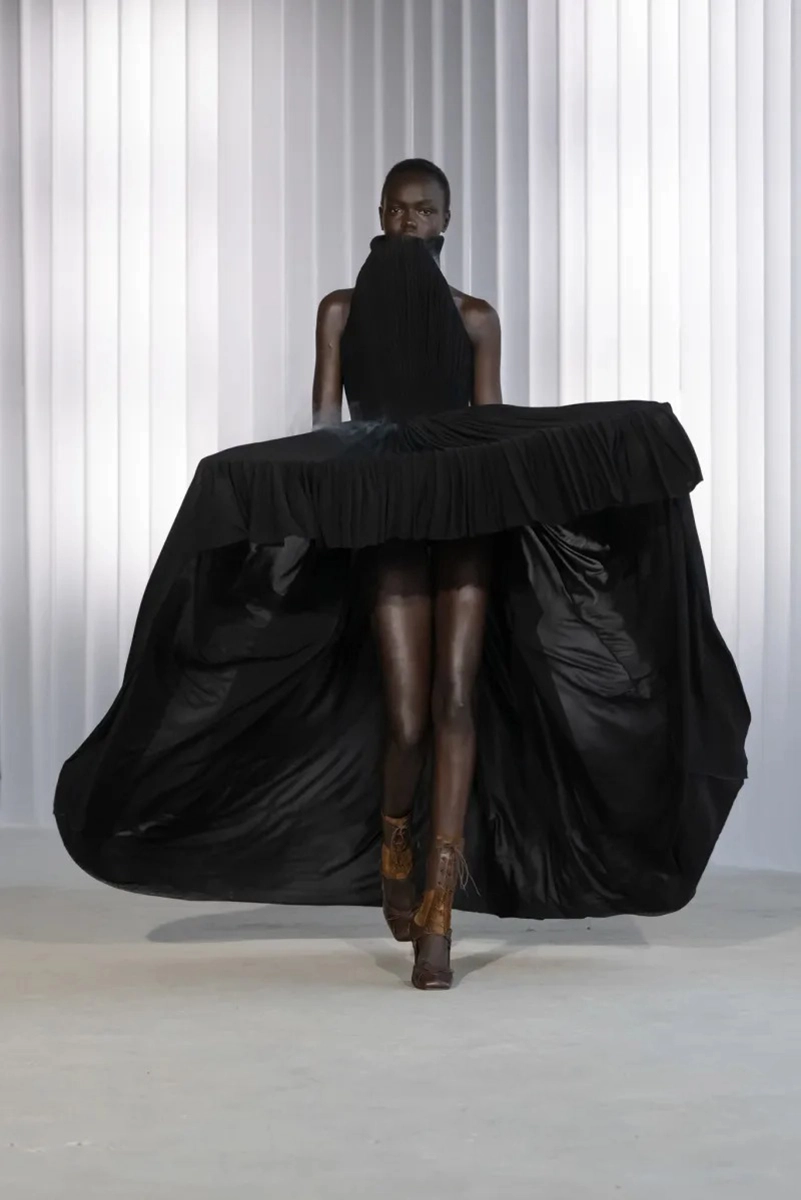
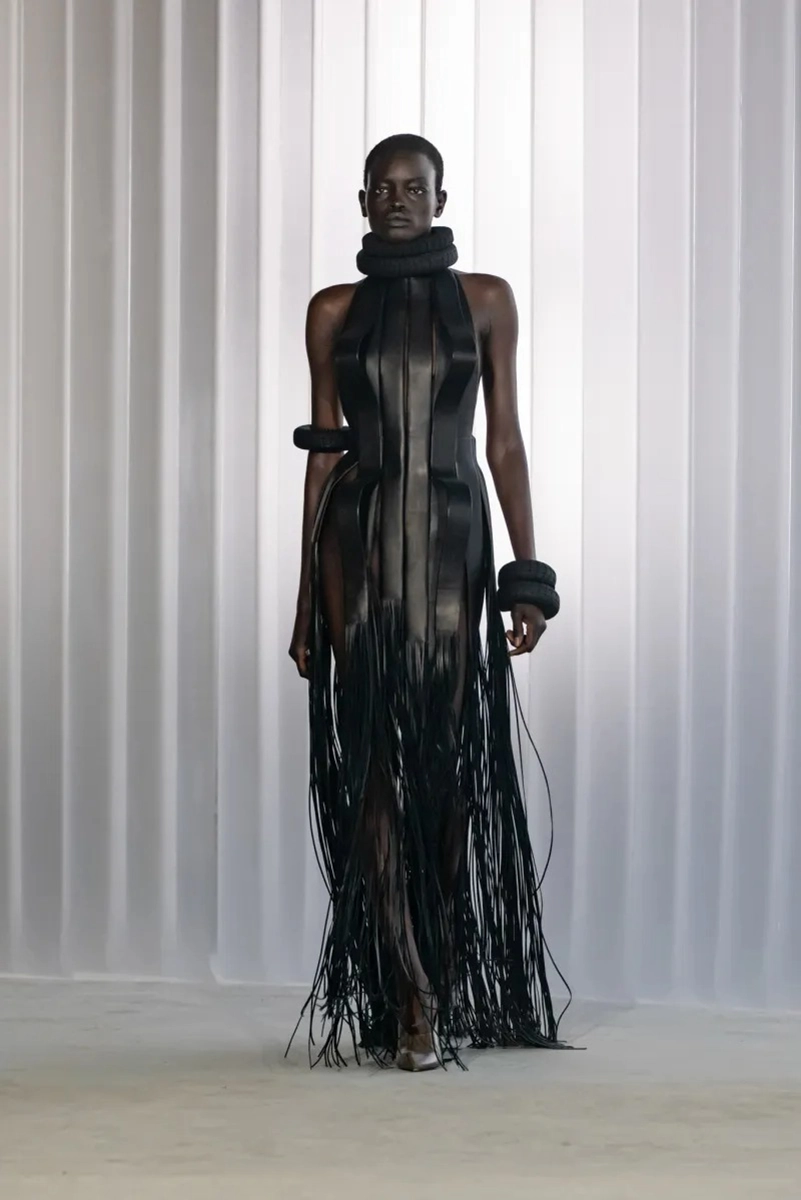
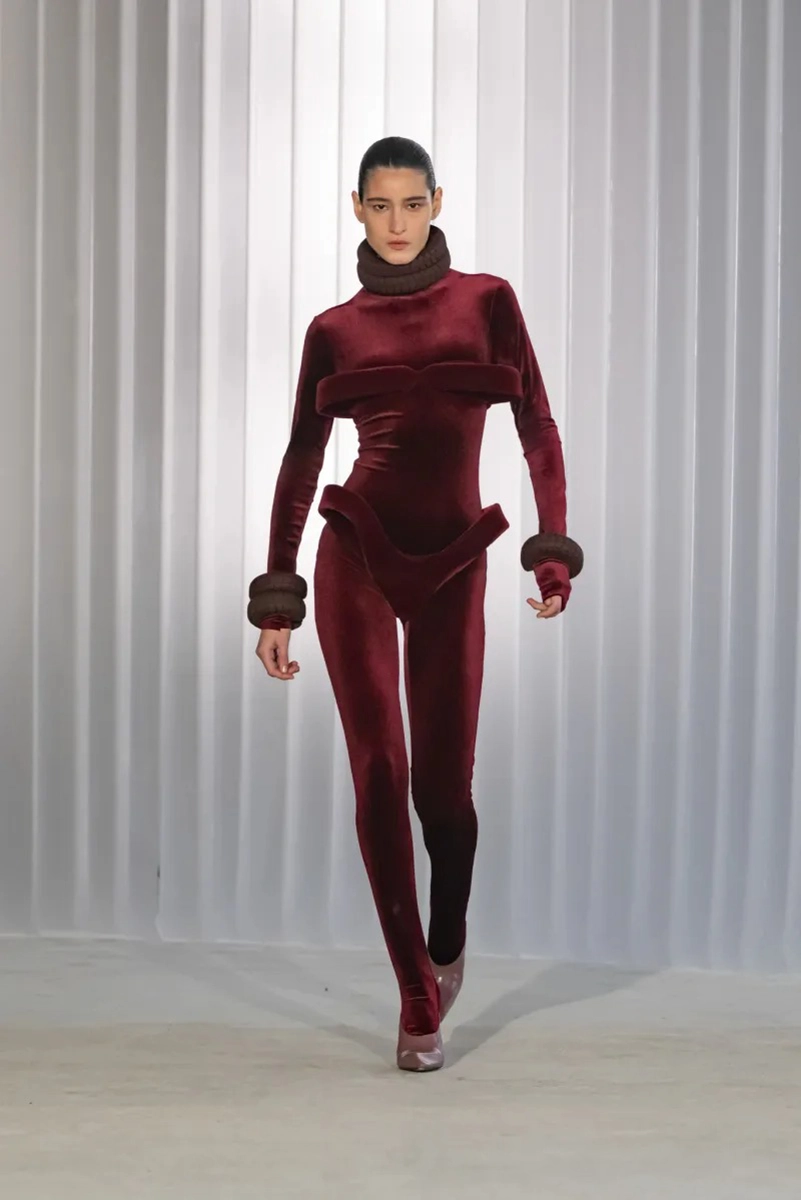
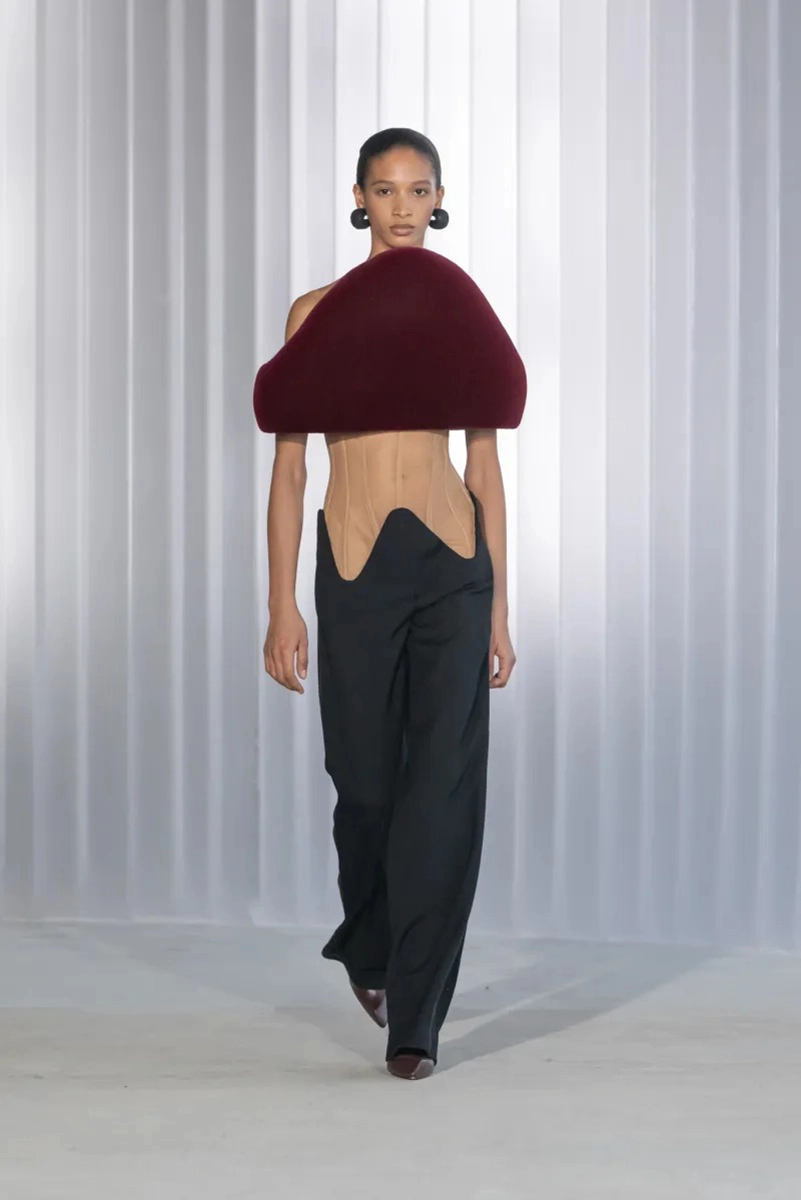
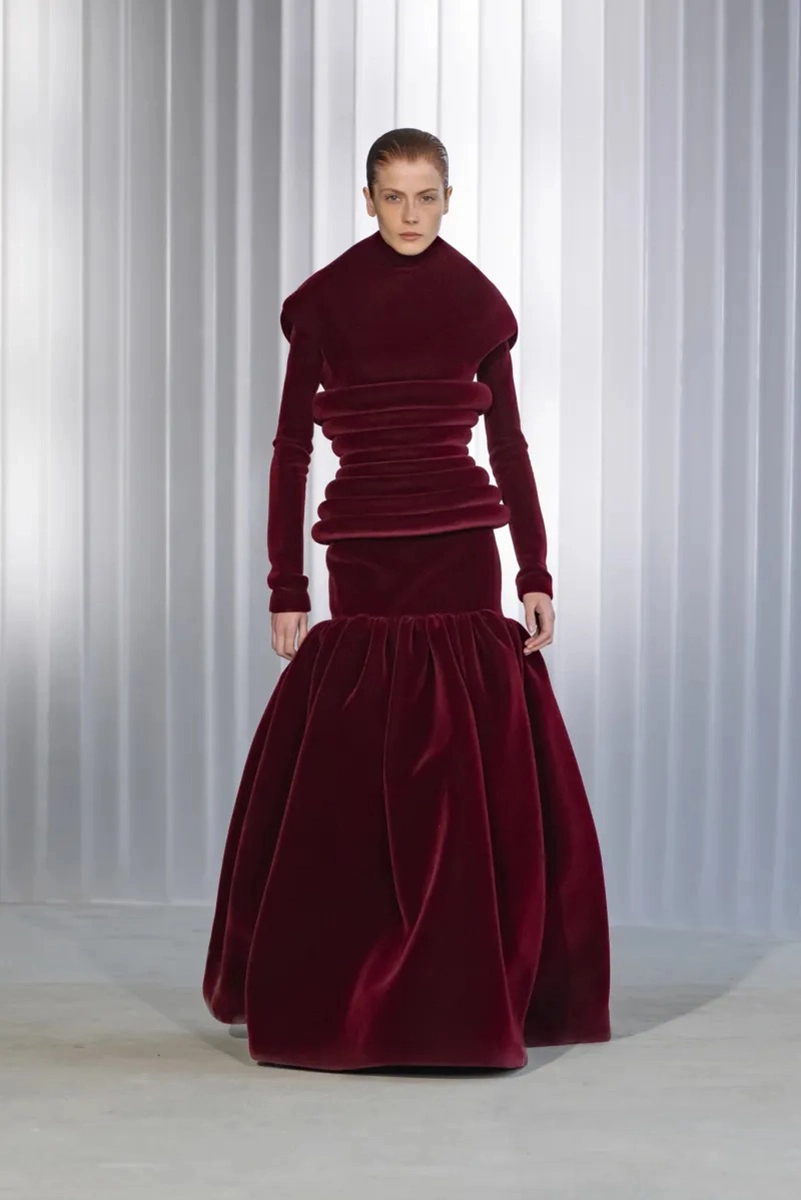
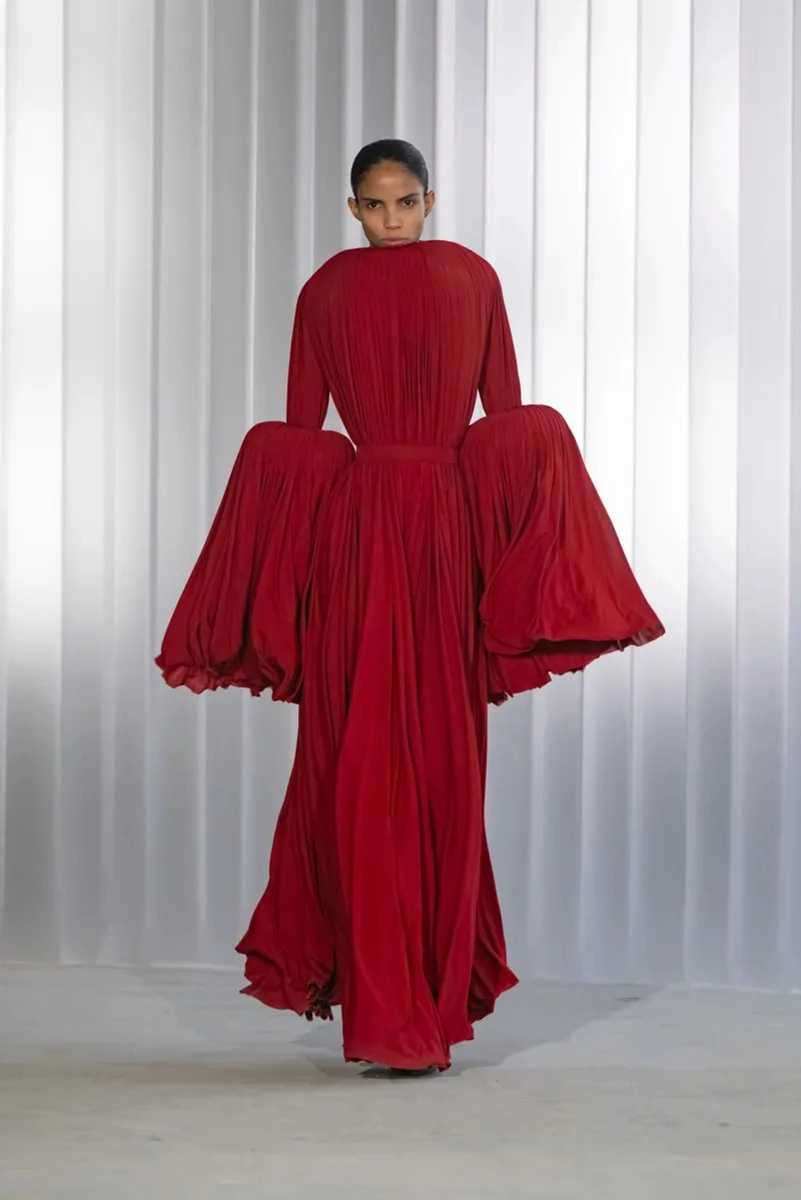
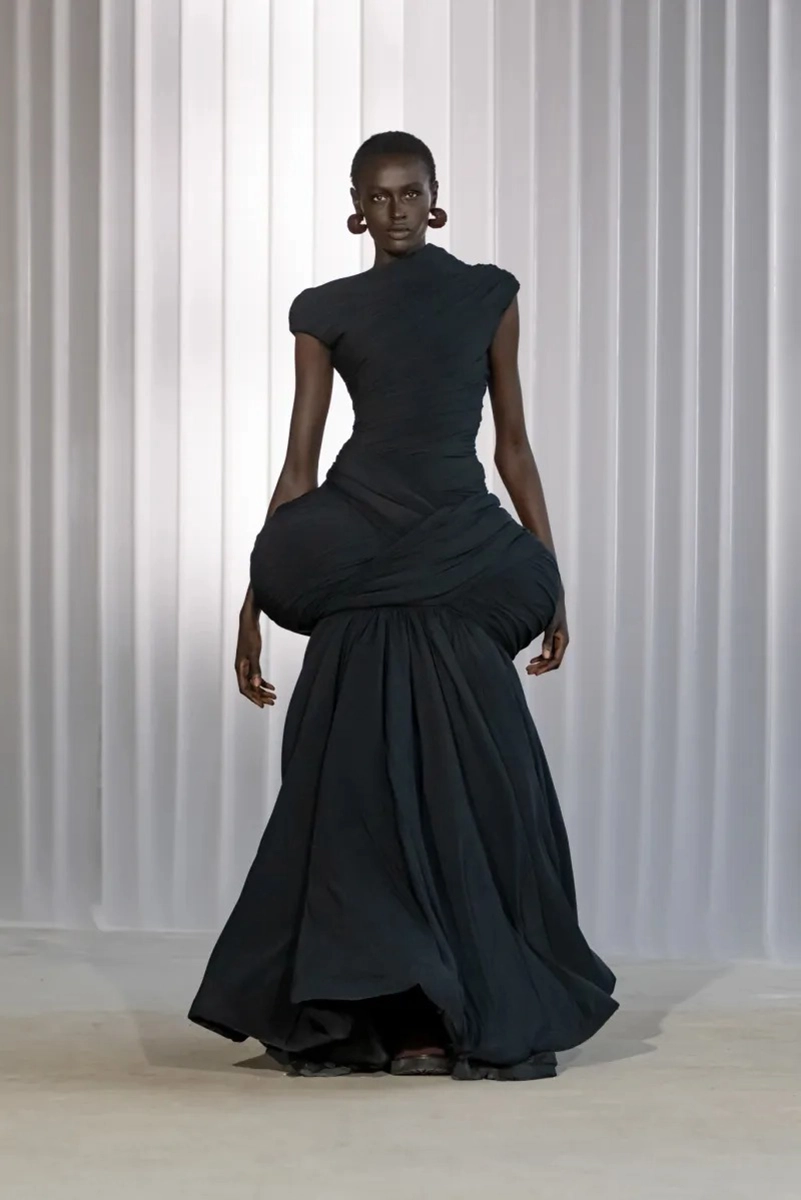
Lantink continues to reshape the body through built form. Raised shoulders sit away from the frame, sculpted bust elements project forward, and hips are pushed into curved outlines that create an S-shaped silhouette. Ring structures and displaced garment elements appear across the body, shifting focus between different points without overwhelming the overall look.
Hybrid References Expand the Wardrobe

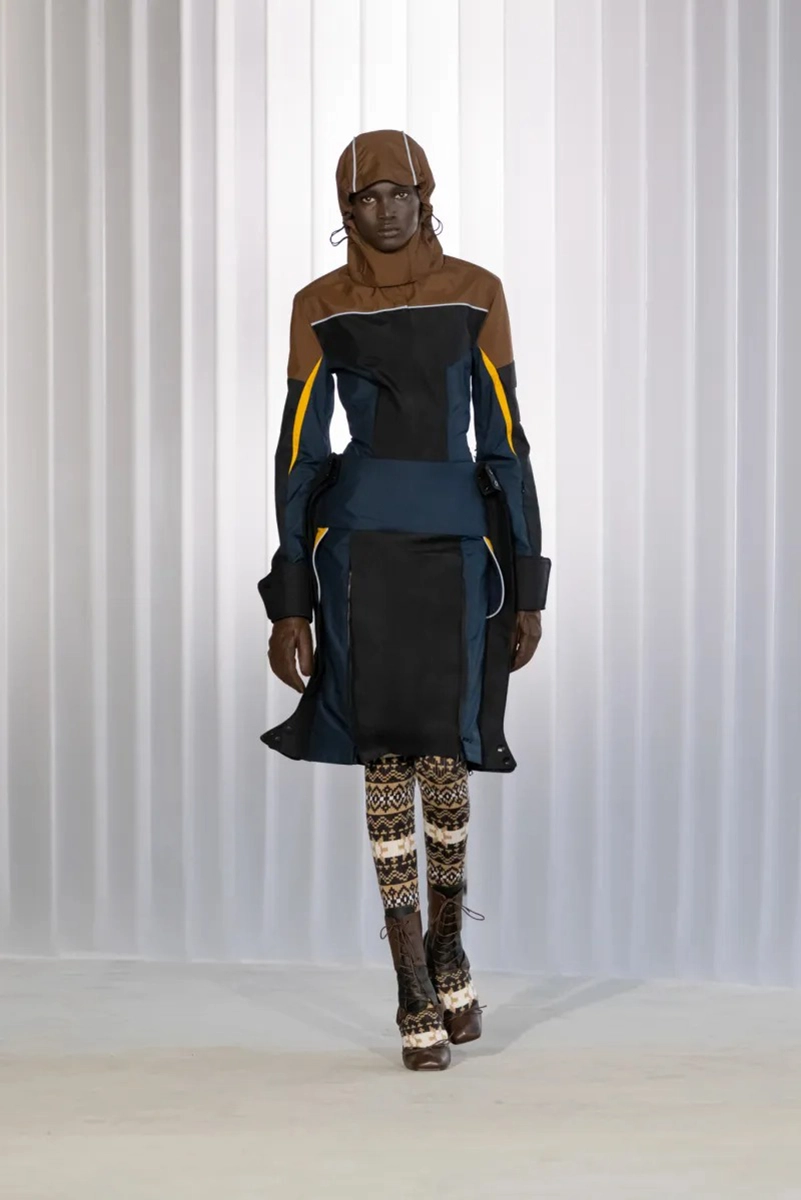
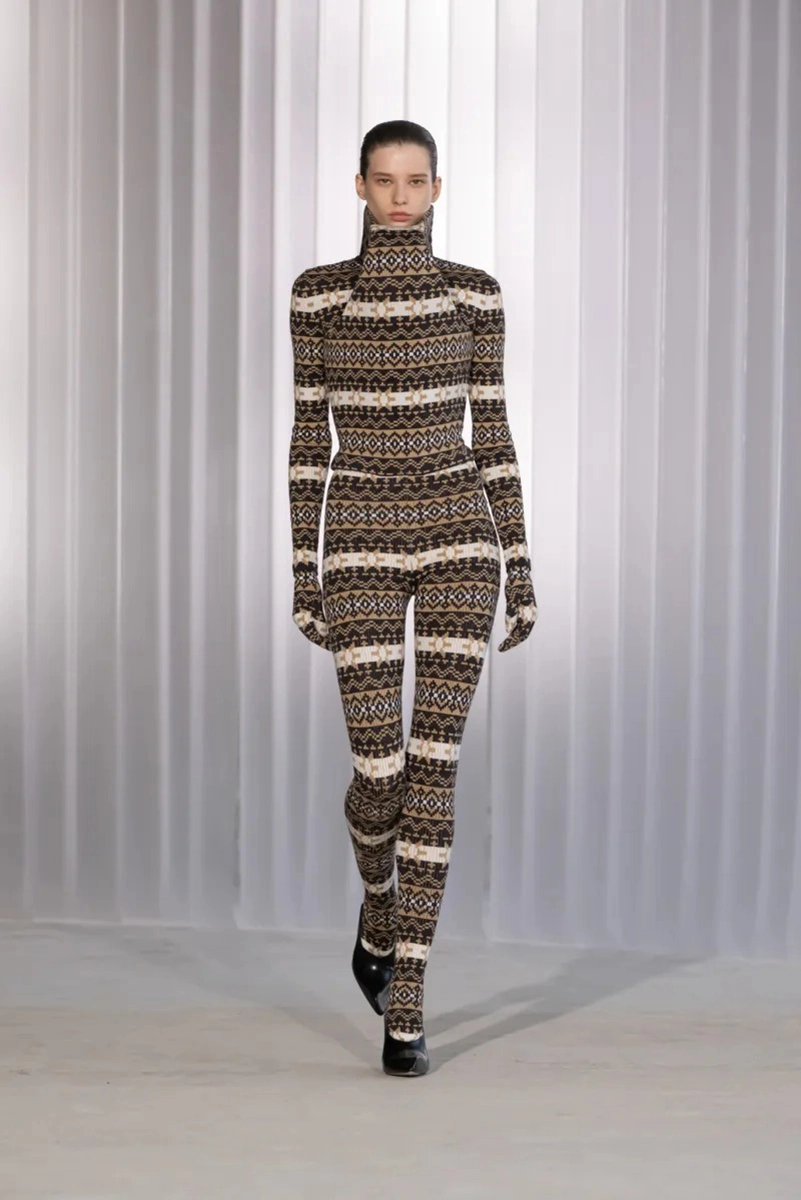
The collection moves through a mix of influences. Classic suiting intersects with lingerie elements, while winter sports references introduce geometric panels and technical shaping. Knit bodysuits with patterned motifs and off-balance footwear designs add further variation. These elements remain separated enough to avoid visual overload, but together they create a wardrobe built through contrast.
Runway Context Reinforces Gender Fluid Tailoring
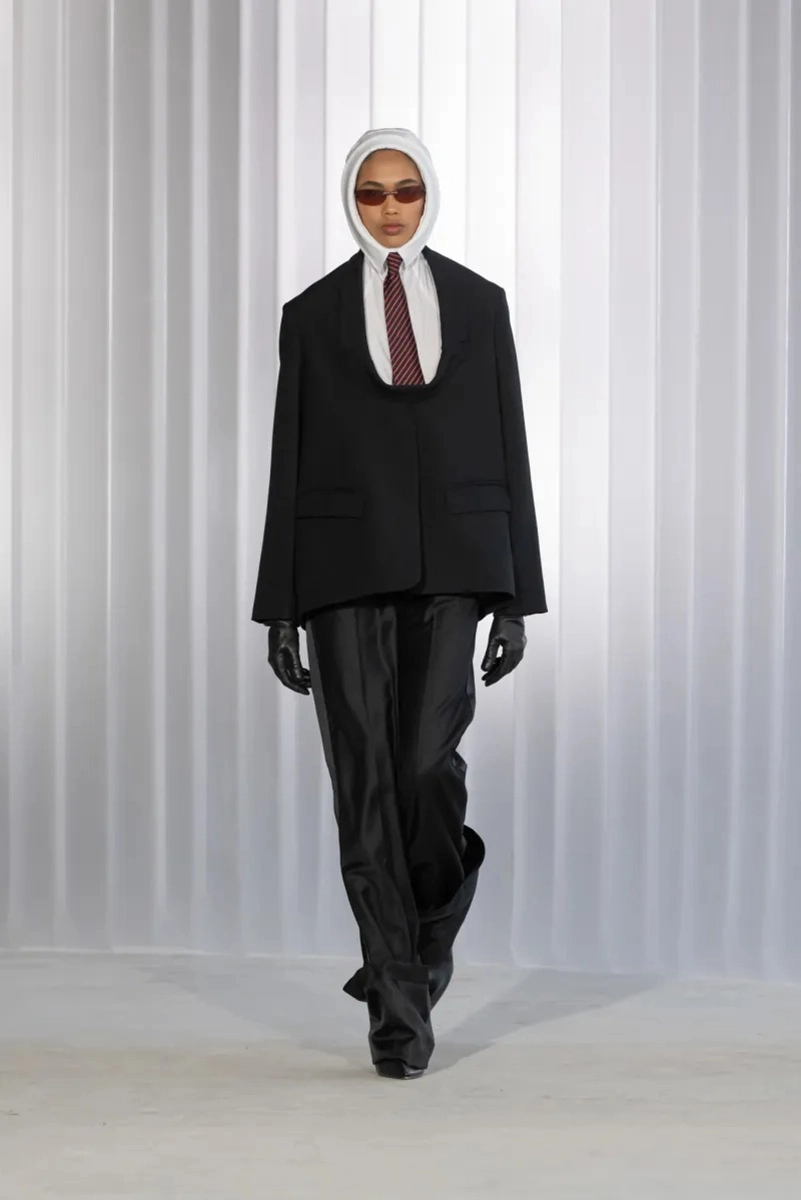
Across broader runway coverage, the collection aligns with a continued shift toward gender-fluid tailoring seen this season in Paris. Here, that direction is expressed through curved silhouettes and softened structure rather than strict masculine references. The emphasis stays on how tailoring can reshape the body, rather than simply borrowing from traditional menswear codes.
What This Means for Gaultier

This collection restores direction. By tightening the focus on tailoring and refining how proportion is manipulated, Lantink rebuilds credibility while maintaining his own design language. The balance between structure and disruption feels more intentional, suggesting a clearer path forward for his version of the house.
Trending Jean Paul Gaultier Styles
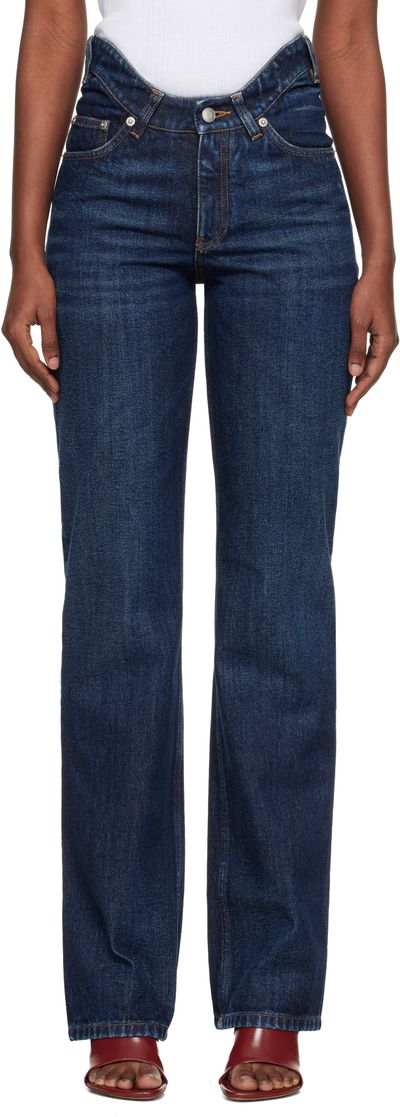
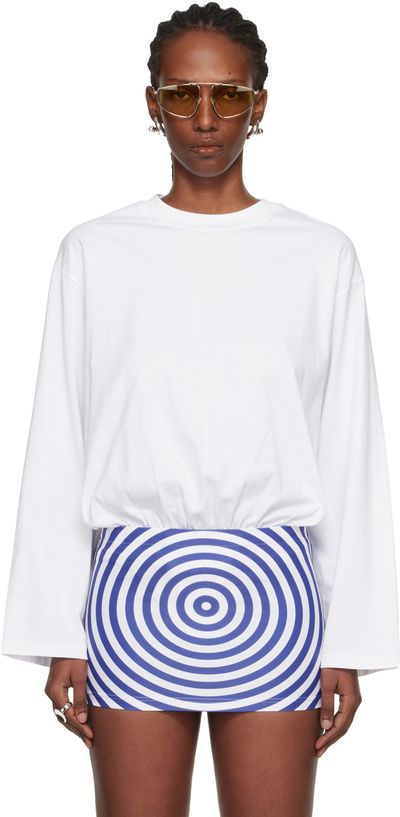
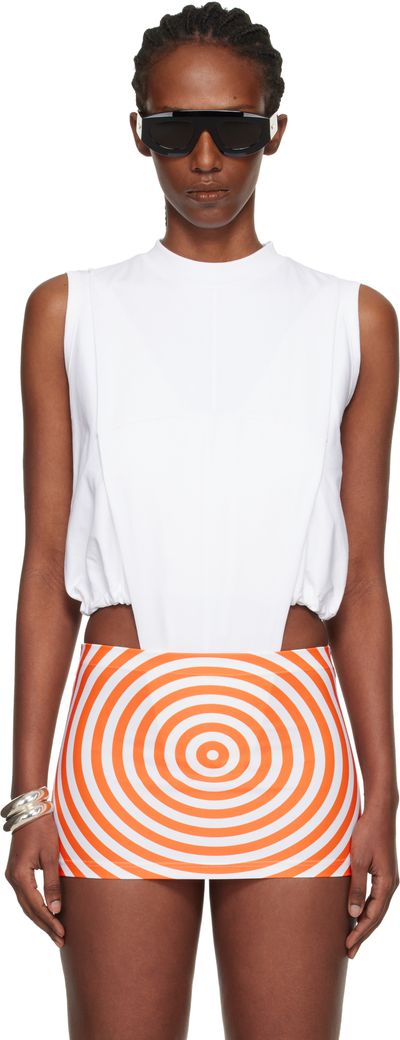




What defines Jean Paul Gaultier Fall 2026?
The collection is defined by structured tailoring, altered body proportions, and hybrid styling elements.
Who designed the collection?
Duran Lantink designed the collection as his second season at the house.
What are the key design elements?
Key elements include curved tailoring, exaggerated shoulders, sculpted silhouettes, and mixed references like lingerie and sportswear.
How does it connect to Gaultier’s legacy?
The collection builds on Gaultier’s history of gender fluid tailoring and reinterpretation of classic garments.
Extra Style Notes
Brand DNA
Founded by Jean Paul Gaultier in Paris in 1982, the label rewrites fashion codes with corsetry, nautical stripes, and gender fluid silhouettes. Known for its irreverent spirit and couture roots, the house continues through guest designer collaborations.
Related Links