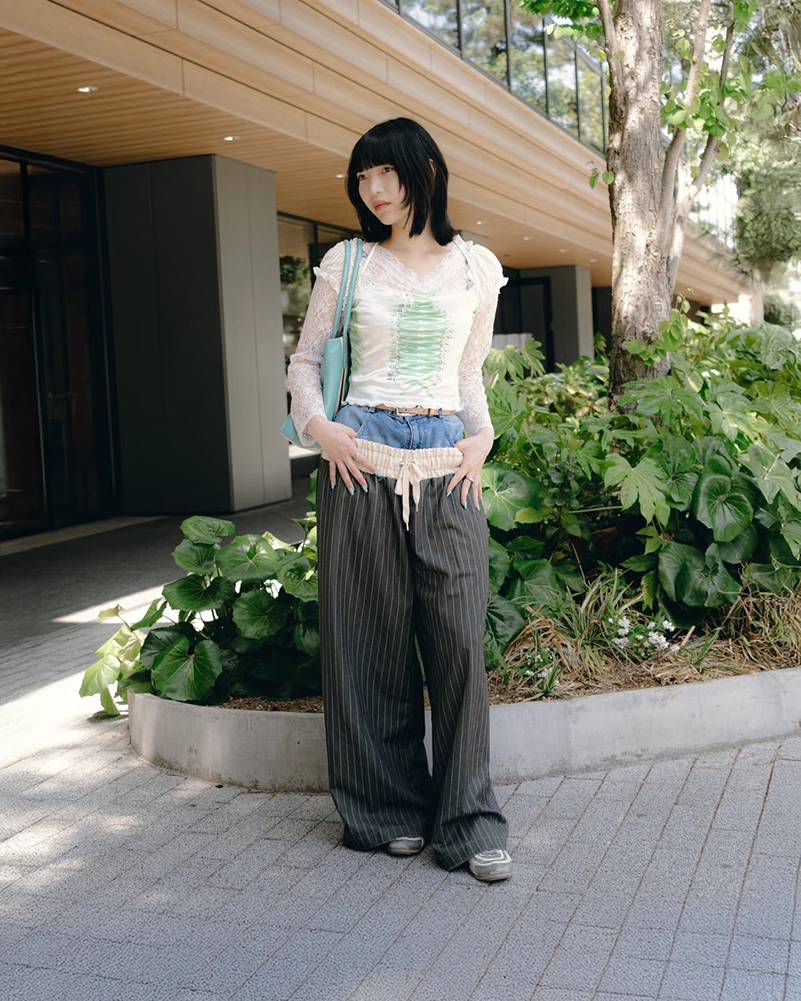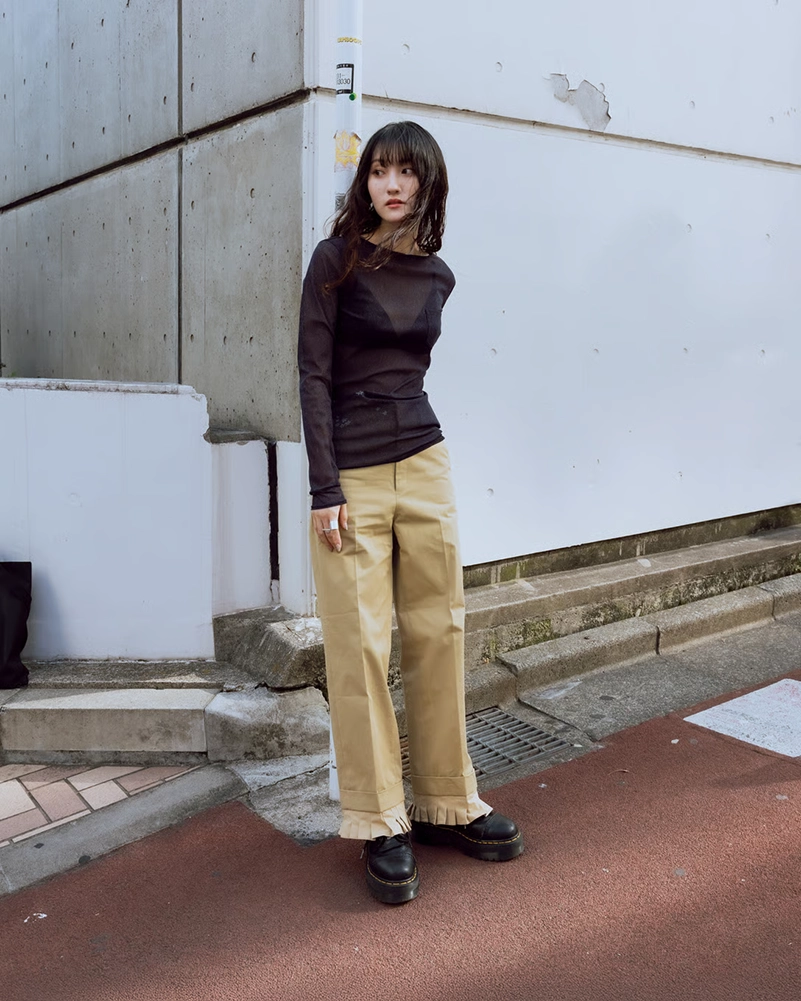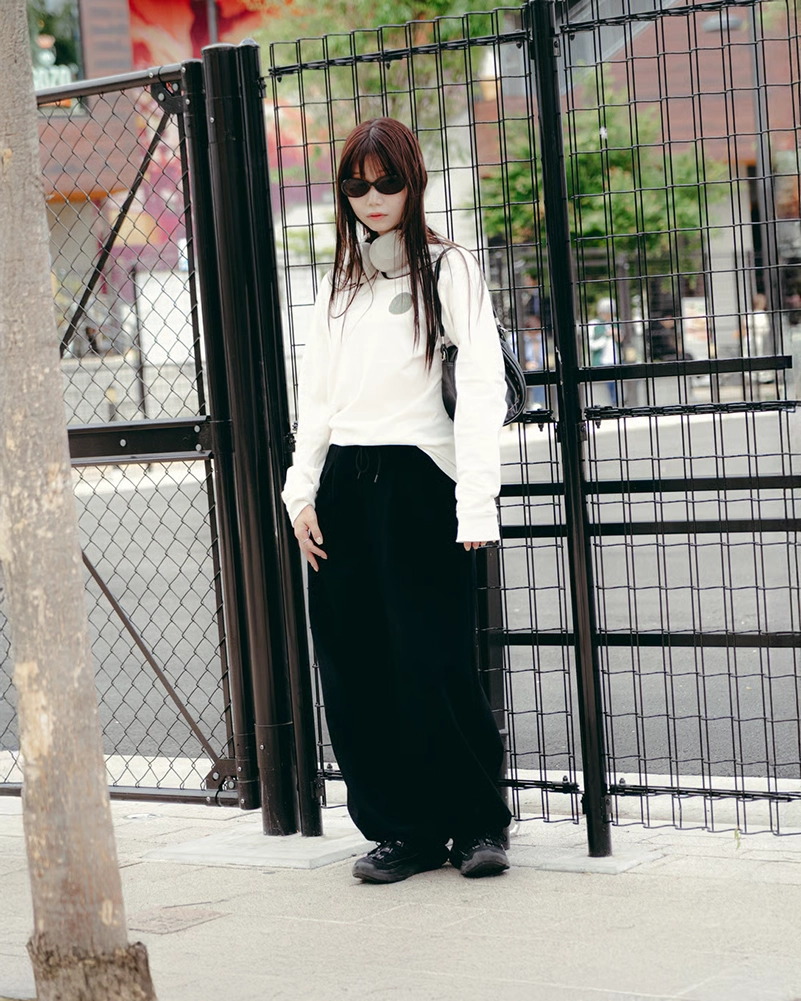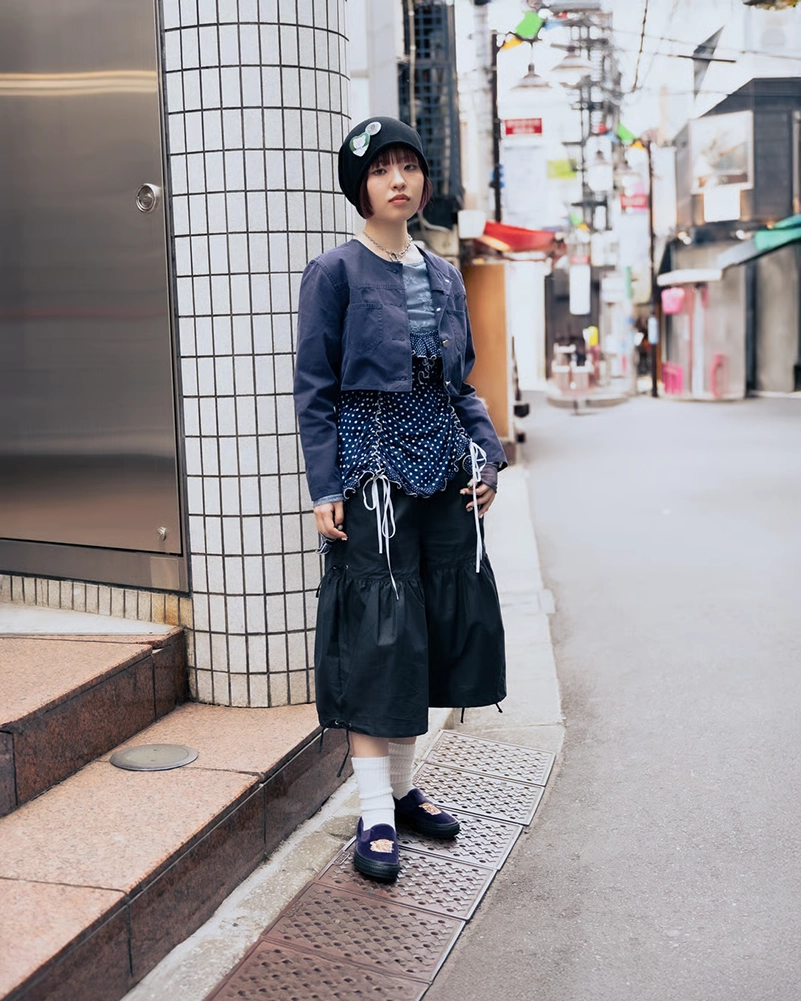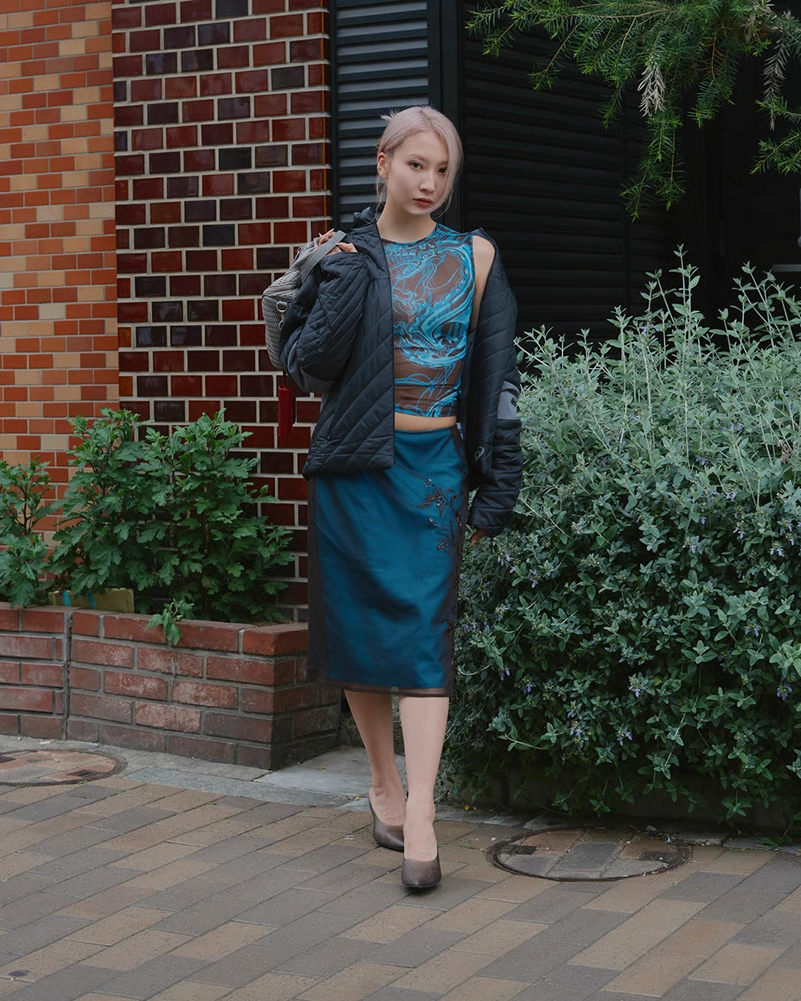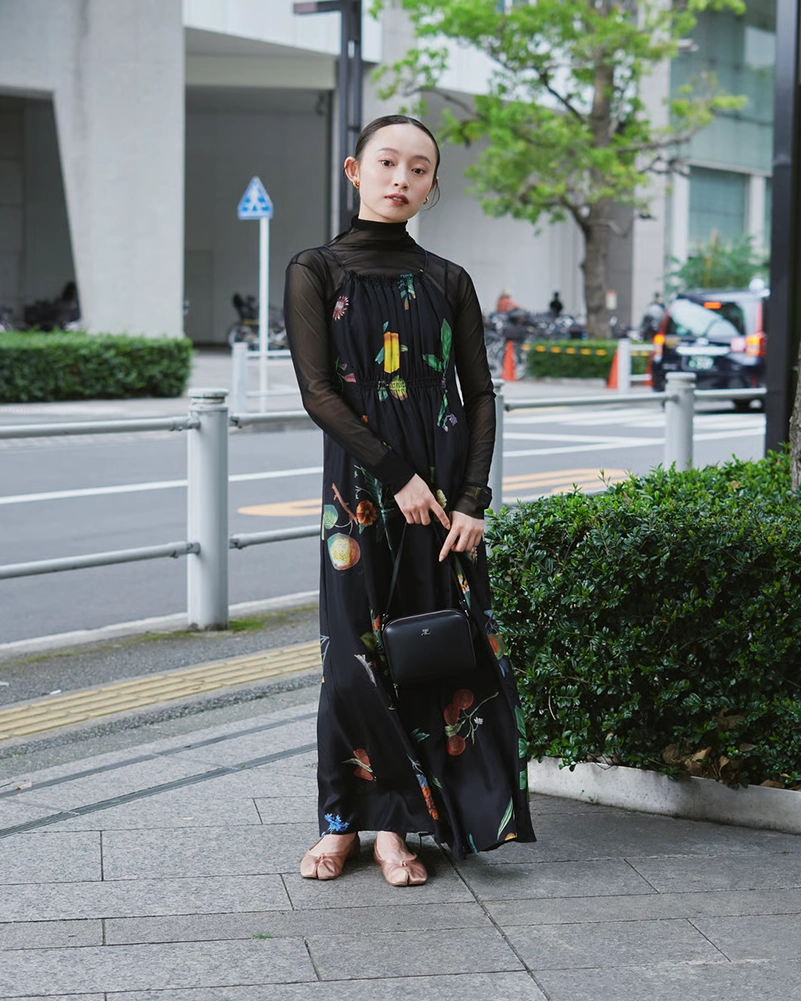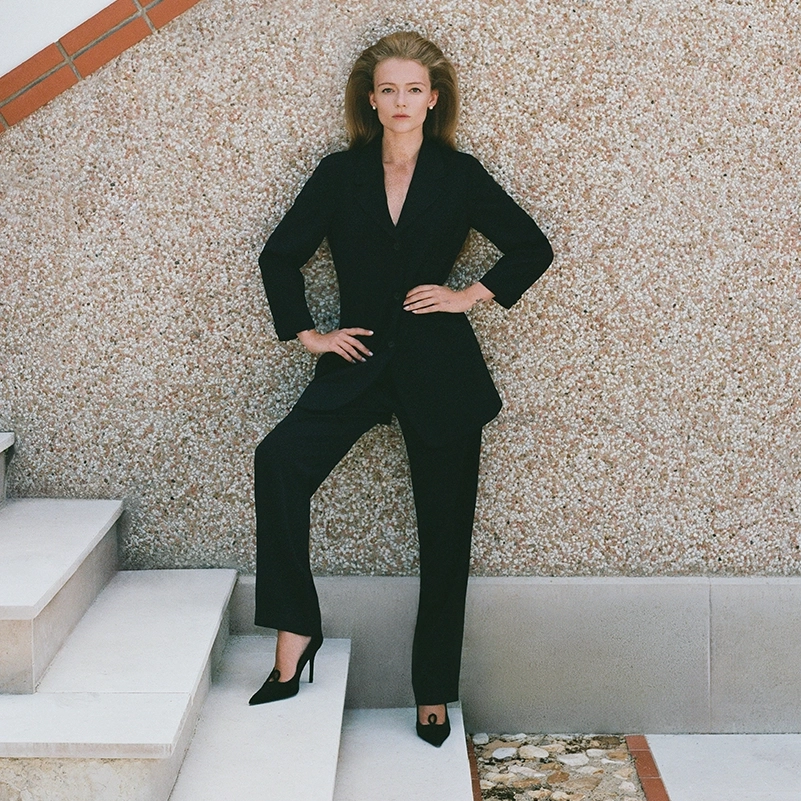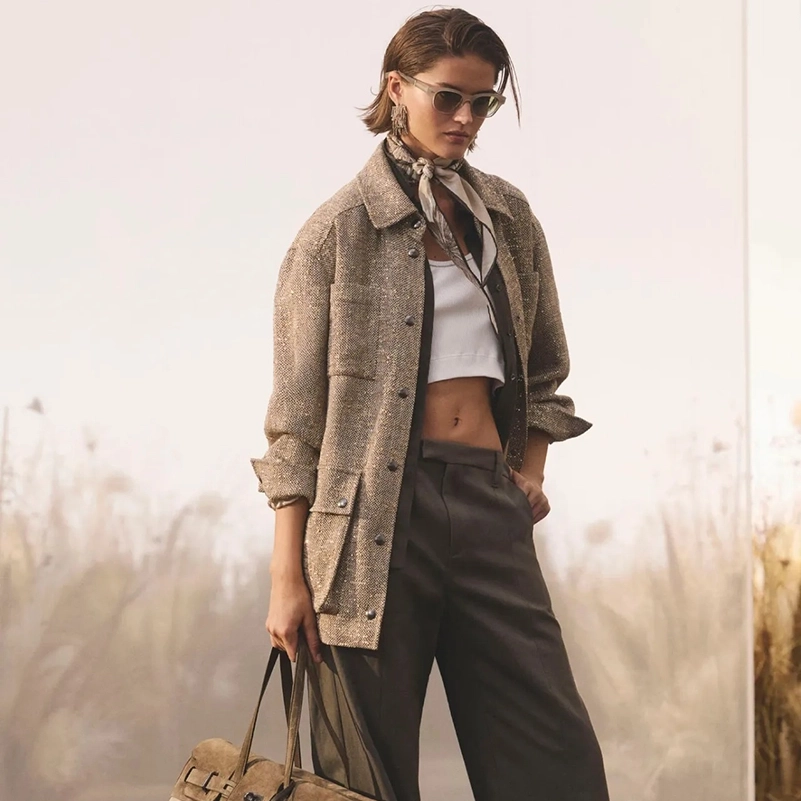



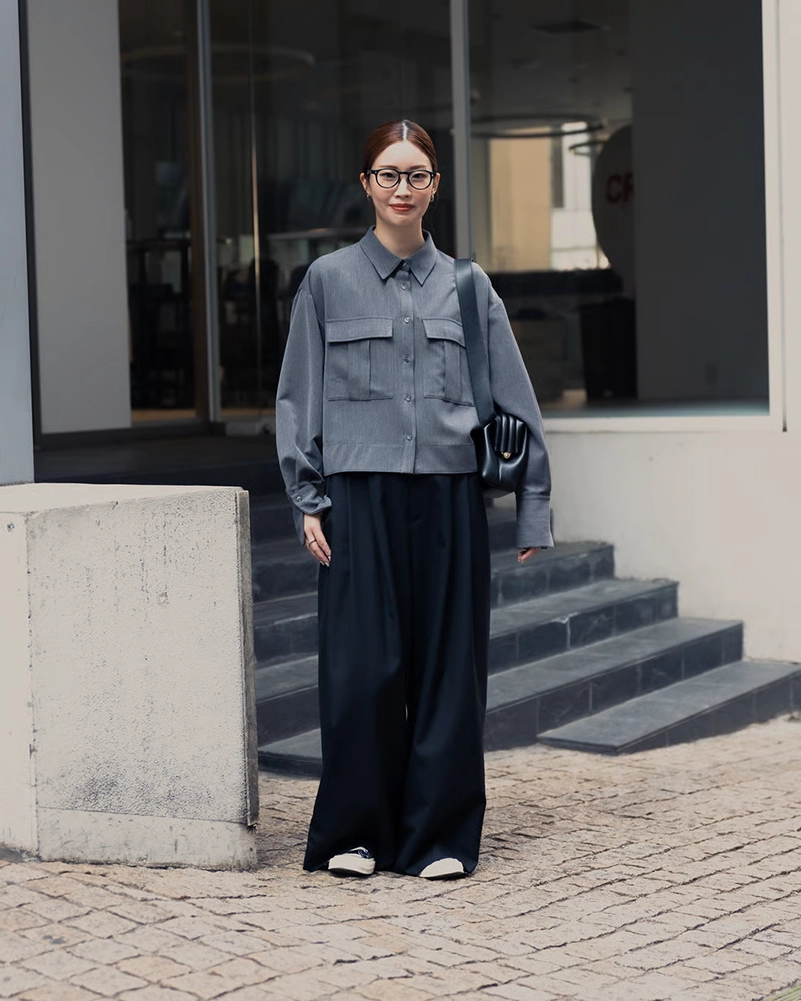
Nobody in Tokyo looks like they’re trying too hard right now. After spending time in Asia’s fashion hub, one thing became obvious. The most memorable outfits weren’t built around a viral item, a trend forecast, or whatever happened to dominate social feeds that week. They felt personal.
A striped skirt worn with an oversized shirt. Wide trousers paired with worn in shoes. A vintage bag that has clearly been carried for years. The pieces themselves were often simple. The styling was where the personality lived.
The End of Trend Dressing
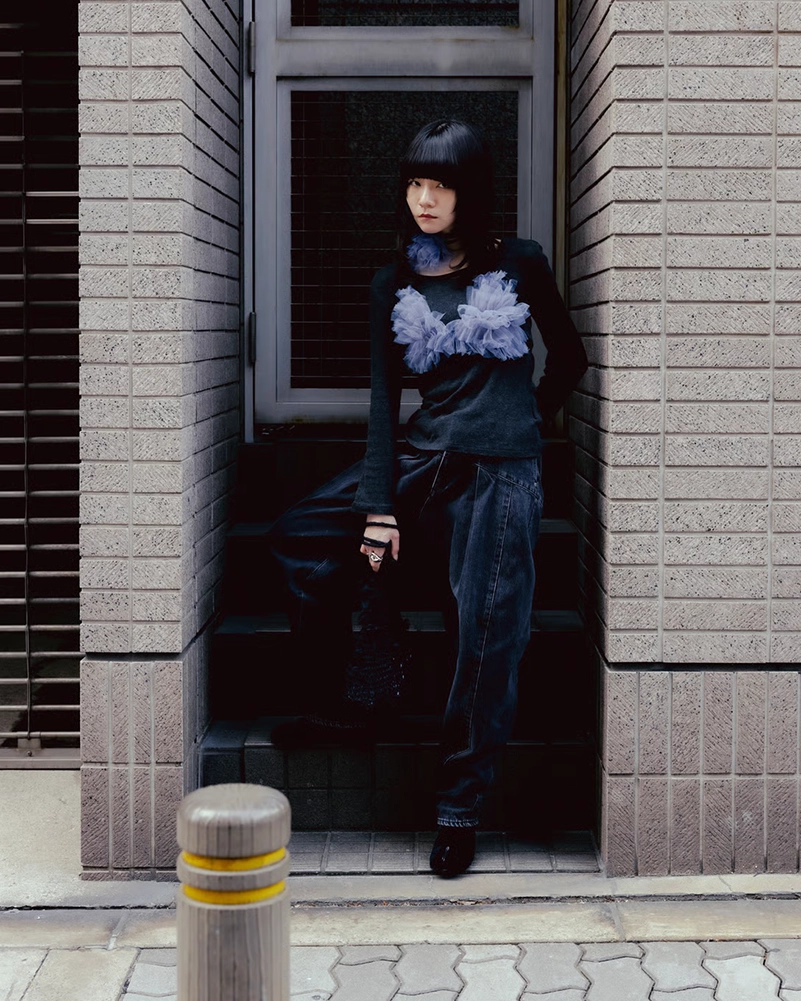
There is a growing sense that Tokyo has quietly moved beyond trend dressing. Tokyo’s fashion circuit seemed more interested in refining a personal wardrobe than constantly replacing it. Long skirts appeared throughout the city. Relaxed tailoring remained a constant. Loose shirting, wide silhouettes, and practical footwear created outfits that felt confident without ever looking forced. Every look felt distinct. The common thread was intention.
Many of the same wardrobe foundations can be found through brands like Courrèges, whose modern approach to proportion continues to resonate with a new generation of dressers.
The Designer Pieces Are Hiding in Plain Sight

The luxury labels are there if you know where to look. A Chanel dress appears in one frame. Maison Margiela shoes show up around the corner. A Stella McCartney bag slips into another outfit. Elsewhere, pieces from DIESEL, GANNI, Miaou, and alexanderwang are folded naturally into everyday wardrobes. What stands out is how little attention the designer pieces demand. Nothing feels styled around a logo. The brands simply become part of a larger wardrobe built over time.
That approach feels increasingly relevant as shoppers mix established fashion houses with independent labels, vintage finds, and unexpected discoveries. It’s the same instinct that keeps Maison Margiela shoes and GANNI dresses in constant rotation among fashion insiders.
The Local Labels Feel Just As Important

Some of the strongest outfits came from labels that remain less familiar outside Japan. Names like soduk, Chinatsu Aoyama, GENERAL IDEA, and Marimade bring a different perspective to the street. Their pieces introduce shape, texture, and individuality without feeling overly conceptual.
This balance between local and global fashion continues to make Tokyo one of the most compelling style capitals in the world. A vintage piece can sit next to a luxury bag. A local designer can share space with a global fashion house. The hierarchy feels secondary to the final result. For Japanese readers interested in discovering international brands alongside emerging labels, The Cool Hour Japan offers a localized destination designed around global fashion discovery.
Why Tokyo Still Feels Ahead
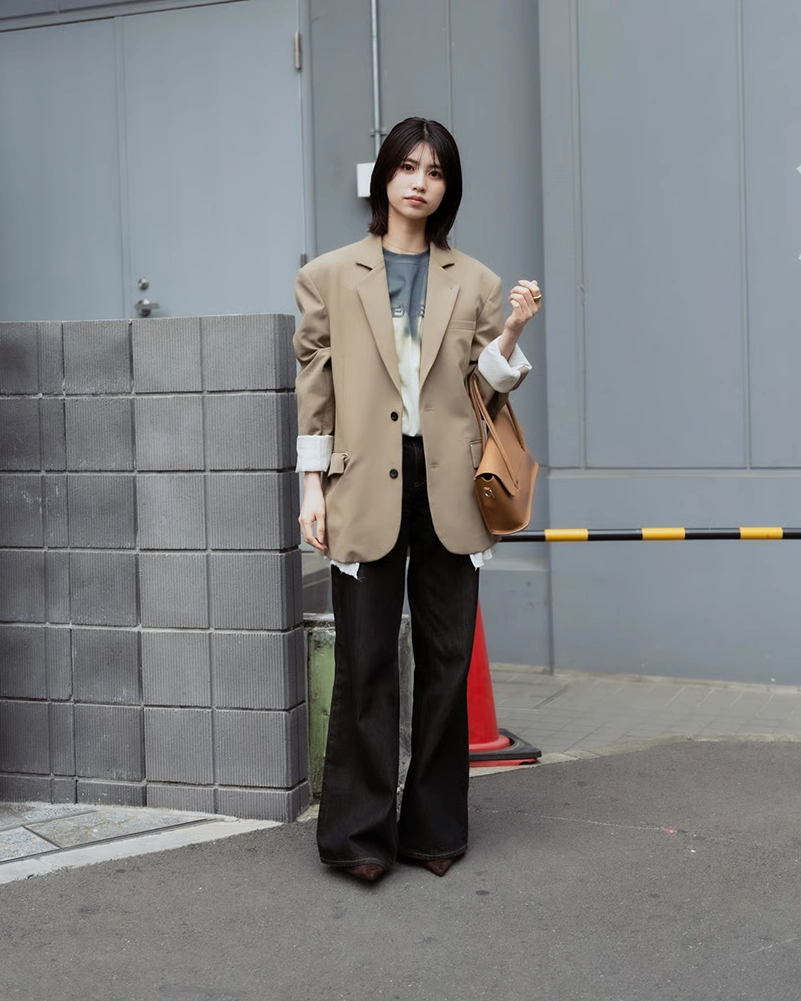
Street style coverage often rewards the loudest outfits. Tokyo continues to reward the most personal ones. Tokyo’s street style stars are not dressing according to a single trend cycle. They are building wardrobes around pieces they genuinely want to wear, then refining them over time. That process creates something far more interesting than a trend report. Maybe that’s why Tokyo still feels ahead. Not because it predicts what everyone will wear next, but because it seems largely uninterested in prediction at all.